Historical Information
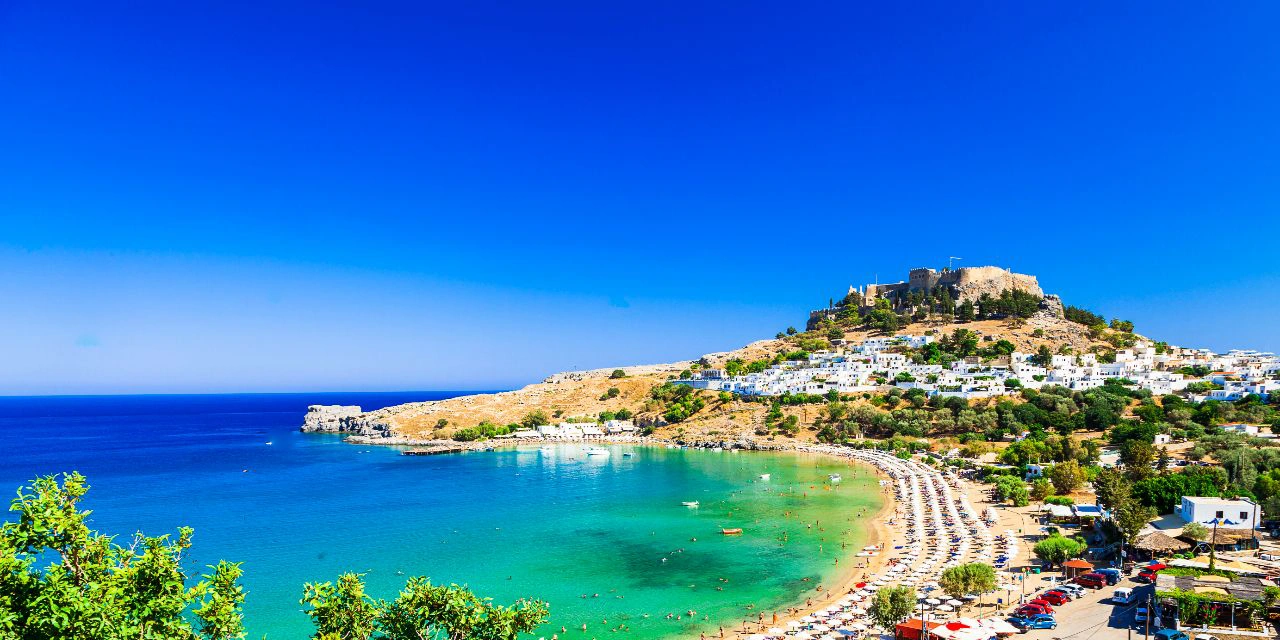
Greece is the land of myths and legends, and the cradle of European culture. As early as the first millennium BC, its territory was divided among highly developed city-states. Later, it became part of the Roman Empire, served as a stronghold of newly introduced Christianity in the East, and was subsequently ruled by Venetian governors and then the Turks.
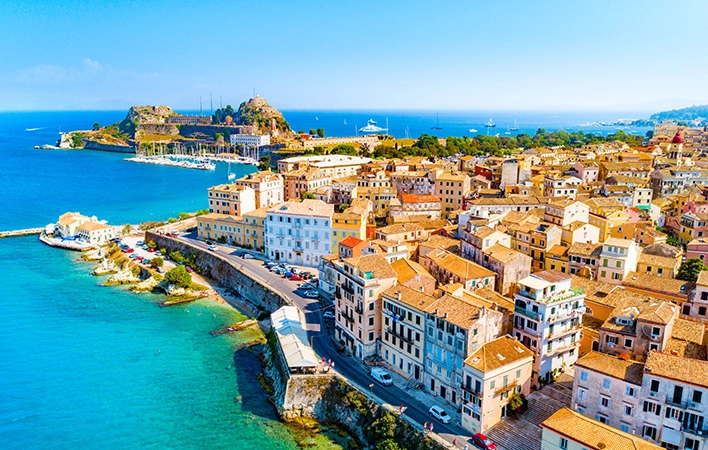
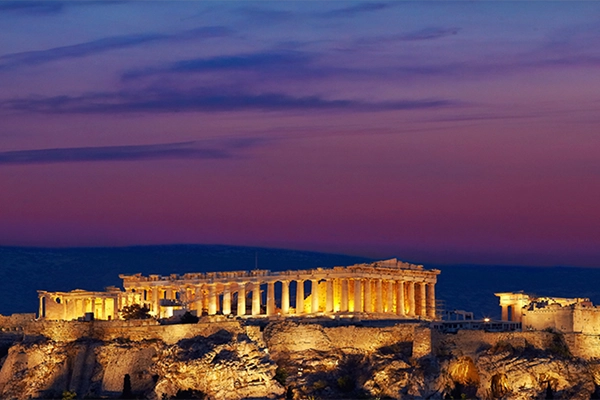
Greece gained its independence in 1831 and joined the European Union in 1981. The country is home to 17 UNESCO World Heritage Sites, including the Acropolis of Athens, the Meteora monasteries, the Old Town of Corfu, Mount Athos, the ruins of the ancient city of Delphi, and others.
Language and Religion
The official language of the country is Greek. In hotels and large shops, staff usually speak English well, and sometimes German and French. About 98% of Greece’s population belongs to the Greek Orthodox Church.
Cuisine
Greek cuisine is simple, healthy, and delicious: freshly caught fish, homemade cheese, unsweetened yogurt, wild greens, flavorful olives, and, of course, olive oil. The fertile land also provides a wide variety of fresh vegetables and fruits commonly used in Greek cooking: sweet tomatoes, long green peppers, lemons, Corfu zucchini and eggplants, juicy melons, grapes, and figs.
It is no surprise that the Greek salad and homemade family wine are symbols of the local cuisine. Meat—usually lamb or pork—is commonly prepared stewed, roasted, or grilled as skewers. The most common type of restaurant in Greece is the family-run taverna, often operated by a friendly, extended family. A popular Greek fast food is gyros, which features a flatbread made from wheat flour called pita. The pita is grilled on both sides, then cut open to form a “pocket” and filled with chopped vegetables and prepared meat slices, and finally topped with Greek yogurt.
Transportation
In Greece, the state-controlled transport company KTEL operates intercity buses, offering passengers comfortable travel conditions. Tickets can be purchased at newspaper kiosks. Fines for traveling without a ticket are quite high. Taxis can be hired at the roadside or at designated stops, with fares determined either by a fixed rate or by the meter.
During nighttime hours (midnight to 5 a.m.) and on public holidays, a double fare applies. Travel between the islands is possible by ferry. The local airline network is well-developed, with airports on all major islands.
Cars can be rented at train stations, airports, major hotel chains, and car rental agencies. Rental services are provided by both international and local companies. The main requirements for renting a car are: a valid international driver’s license, at least one year of driving experience, and a minimum age of 21. The maximum speed limit on highways is 120 km/h, and in urban areas it is 50 km/h.
Holidays
Greece celebrates many religious and national holidays, and the carnival season takes place in February–March. During this time, street performances, music shows, and traditional folk dances are held. The atmosphere is lively and festive.
The Greek Orthodox Church follows the Gregorian calendar, so some religious holidays are celebrated at different times compared to other countries, such as Georgia. The most important public holidays include:
- January 1 – New Year’s Day, also St. Basil’s Day. Greeks honor St. Basil as the protector of the poor.
- January 6 – Epiphany. This holiday is often called “Φώτα” (Fota), meaning “Light,” and is associated with the tradition of blessing water.
- January 8 – Gynaikokratia / Γυναικοκρατία. On this day, women are given priority at home and in public. They go out to relax and visit cafes and restaurants, while men perform household and other daily tasks in their honor. This tradition is a cheerful folk ritual marking the beginning of the new year.
- March 25 – Greek Independence Day.
- Easter (March–April) – Greece’s most important religious holiday. Greeks observe fasting, and on Holy Saturday evening, church services begin. At midnight, people greet each other across the country with: “Χριστός Ανέστη!” – “Christ is risen!” and respond: “Αληθώς Ανέστη!” – “Truly He is risen!”.
- May 1 – Labor Day.
- Night of June 23–24 – the midsummer night, celebrated as a magical holiday of love.
- August 15 – Assumption of the Virgin Mary.
- October 26 – St. Demetrios Day. He is the patron saint of Thessaloniki. Residents honor him with festive liturgies and local festivals.
- December 25 – Christmas. Traditionally, “dolmades” are prepared symbolizing Christ’s birth. The holiday is celebrated with festive church services, family gatherings and special meals prepared with love.
Emergency Service Phone Numbers
- Police – 100
- Ambulance – 166
- Fire Department – 199
- Pharmacies – 107
- Hospitals – 106
- Tourist Police – 171
Medical Services
All medical services in Greece are paid. If you need a doctor’s assistance, use your travel insurance provided with your tourist package.
Useful Recommendations in Greece
- Calm Approach – Greeks are a calm and slow-paced people; everything happens slowly and gently. Do not expect fast service or strict punctuality.
- "Avario" – means "no". If a Greek promises something and says "Avario", it usually indicates a polite refusal or that the matter may be postponed indefinitely.
- Respect for the Elderly – Always be polite toward older people.
- Talking About Greece – Avoid openly criticizing the country; Greeks often criticize their own country, but they do not tolerate criticism from foreigners.
- Attitude and Behavior – Interact in a friendly and polite manner. Greeks do not like cold or arrogant people.
- Visiting Monasteries – Enter monasteries wearing long clothing, or use the special robes provided at the entrance.
- Ruins and Artifacts – Removing pieces of marble or other ruins is prohibited; it is a criminal offense.