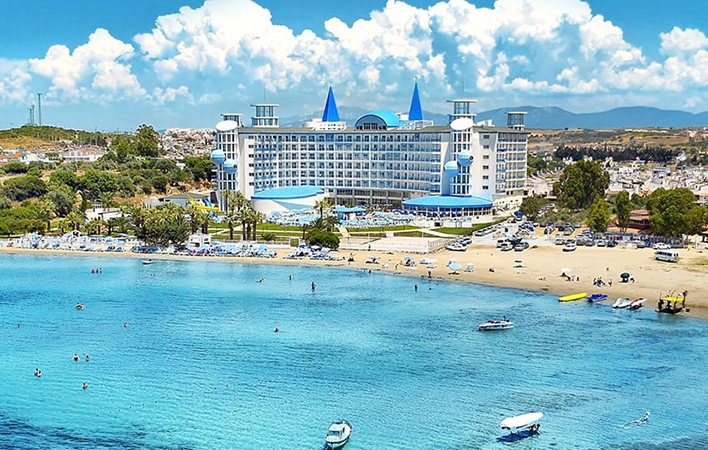
დიდიმი დაახლოებით 3 ათასი წლისაა, მაგრამ აქ შედარებით ცოტა ხნის წინ დაიწყო ტურიზმის განვითარება. ალტიმკუმში არის ცენტრალური პლაჟი, სადაც შეგიძლიათ დაისვენოთ პატარა ბავშვებთან ერთად. აქ მოწყობილია წყალში ნაკლებად დამრეცი შესასვლელი, და ნაპირთან ზღვა ღრმა არ არის. დიდიმში თქვებ გელით წიწვოვანი ტყით დაბურული მაღალ მთები, 55 კმ სიგრძის ქვიშიანი პლაჟები, რომელთაგან ბევრს მიენიჭა ცისფერი დროშა, რბილი კლიმატი (მომქანცველი სიცხის არარსებობა), რესტორნები, ბარები, კლუბები, დისკოთეკები, მაღაზიები, ლუნა-პარკი, აკვაპარკი.
დიდიმი შესანიშნავი ადგილია ქალაქის ხმაურისგან მოშორებით დასასვენებლად. იმის მიუხედავად, რომ კურორტს აქვს დასვენებისთვის საჭირო ყველა ინფრასტრუქტურა, ხმაურიანი წვეულებებისა და ღამის დისკოთეკებისთვის შეგიძლიათ ბოდრუმში წასვლა.
ისტორია
ქალაქის დაარსების ზუსტი თარიღი უცნობია, მაგრამ ბევრი მეცნიერი ამტკიცებს, რომ ძველად დიდიმის ადგილზე იდგა ლამაზი ანტიკური ქალაქი. აპოლონის ტაძარი, რომელშიც ორაკული იმყოფებოდა, მთელ მოსახლეობას იზიდავდა და მთელი ელინური სამყაროს წინასწარმეტყველთა ცენტრად ითვლებოდა. დიდიმის პირველი ხსენება შეგიძლიათ იპოვოთ ჰომეროსის ტექსტში "ჰიმნი აპოლონს".
ქალაქი გაძარცვეს და გადაიქცა პატარა სოფლად, რომელმაც შეინარჩუნა თავისი განუმეორებელი კოლორიტი. 1990-იან წლებამდე დიდიმის შესახებ არაფერი ისმოდა, სოფელში ცხოვრება ჩვეულებრივ გრძელდებოდა და ადგილობრივი მაცხოვრებლები სოფლის მეურნეობაში იყვნენ ჩართული.
დიდიმში შემონახულია მზის ღმერთის უძველესი ტაძარი, რომელიც ძველი ბერძნული არქიტექტურის ერთ-ერთ ყველაზე უნიკალურ ძეგლად ითვლება.
საინტერესო და სასარგებლო ფაქტები
- თანამედროვე დიდიმის მოსახლეობა 40 000-ზე მეტი ადამიანია.
- ალტინკუმი – ქალაქის მთავარი პლაჟი, ითვლება ერთ-ერთ ყველაზე გრძელ პლაჟად ეგეოსის სანაპიროზე. პლაჟის მთავარი ღირსშესანიშნაობაა რბილი ოქროსფერი ქვიშა.
- ჩრდილოეთიდან დიდიმს გარს აკრავს მდინარე მენდერესი. ძველად მისი დაკლაკნილი კალაპოტის გამო მდინარეს მეანდრი დაარქვეს ყველაზე ცნობილი ძველი ბერძნული ჩუქურთმის საპატივცემულოდ.
- გაუდაბურების შემდეგ დიდიმში კვლავ დაიწყო დასახლება მხოლოდ XVIII საუკუნეში. ამავე დროსვე მიეკუთვნება ანტიკური სამყაროს ადგილობრივი ძეგლების პირველი გათხრები.
- ბიზანტიის იმპერიის დროს დიდიმს ეწოდებოდა იუსტინიაპოლისი (იმპერატორ იუსტინიანეს საპატივცემულოდ) და ის საეპისკოპოსო რეზიდენცია იყო.
კლიმატი
დიდიმი – შესანიშნავი დასასვენებელი ადგილი. მას აქვს კლასიკური ხმელთაშუა ზღვის კლიმატი, რაც იმას ნიშნავს, რომ ამინდი თბილია მაისიდან ოქტომბრამდე. ყველაზე ცხელ თვეებში (ივლისი, აგვისტო და სექტემბერი), ჰაერი თბება +32°C-მდე, ხოლო წყალი - +25°C- მდე. მაისში, ივნისსა და ოქტომბერში ამინდი იდეალურია ღირსშესანიშნაობების მოსანახულებლად: არ არის სიცხე და ქრის სასიამოვნო ზღვის ქარი.
უძველესი ქალაქი დიდიმა
ძველად ძველი კურორტის ადგილზე იყო ქალაქი დიდიმა. ის ცნობილი იყო აპოლონის ტაძრით (ძვ. წ. VIII საუკუნე), რომელშიც ქადაგებდა ცნობილი ორაკული - ოთხიდან ერთ-ერთი ძველ საბერძნეთში.
სიტყვა "დიდიმი" ნიშნავს "ტყუპებს" – ასე უწოდებდნენ აპოლონს და მის ტყუპ დას არტემიდსა. მითის თანახმად, სწორედ ქალაქი დიდიმა იყო ზევსისა და ნიმფა ლეტოს ღვთაებრივი შვილების დაბადების ადგილი. ახლომდებარე ქალაქ ეფესში არტემიდას ცნობილი ტაძარი იდგა.
ორაკული მოღვაწეობდა ახ. წ. IV საუკუნემდე, მას იყენებდნენ არა მხოლოდ ბერძენი მეფეები, არამედ ეგვიპტის ფარაონები და რომის იმპერატორები. წინასწარმეტყველებები კეთდებოდა ლექსად.
ქალაქ დიდიმაში ანტიკურ ხანაში მხოლოდ ქურუმები ცხოვრობდნენ.
ძველ დიდიმაში ნაპოვნი ექსპონატები ინახება ბრიტანეთის მუზეუმში, ლუვრში და ბერლინის პერგამონის მუზეუმში.
დიდიმისა და მისი მიდამოების ღირსშესანიშნაობები და ადგილები
- აპოლონის ტაძარი, რომელიც დიდიმში ძველი ბერძნული არქიტექტურის ერთ-ერთი საუკეთესო შემონახული ძეგლია.
- ეფესის არტემიდას ტაძრის ნაშთები, რომელიც ძველი სამყაროს შვიდ საოცრებათაგან ერთ-ერთად ითვლება.
- მარმარილოსგან დამზადებული წმინდა გზა (VI საუკუნე), რომელსაც დიდიმას აპოლონის ტაძრიდან მილეთის აპოლონის ტაძარამდე მივყავდით.
- უძველესი ქალაქი მილეთი – „იონიის მარგალიტი“ ჰეროდოტეს სიტყვებით. უფროსი პლინიუსი წერდა, რომ მილეთს ბევრი კოლონია ჰქონდა, რომელთაგან ორი - თეოდოსია და პანტიკაპეა (თანამედროვე ქერჩი) - ყირიმში მდებარეობს.
- ანტიკური ქალაქი პრიენა (ძვ. წ. XI საუკუნე), სადაც შემონახულია ათენას მთავარი ტაძრის ნანგრევები, რომელიც ალექსანდრე მაკედონელმა დიდმა დააარსა ძვ. წ. VI საუკუნეში.
- ქალწული მარიამის სახლი ბულბულდაღის მთის ფერდობზე – მთელი მსოფლიოს ტურისტების მომლოცველობის ადგილი. გადმოცემის თანახმად, აქ ცხოვრობდა ქალწული მარიამი და მოციქული იოანე, და აქ არის ნეტარი ღვთისმშობლის საფლავი.
- დიდიმის ულამაზესი ნავსადგური, რომელიც არაბთა გაერთიანებული საამიროების არქიტექტურას მოგვაგონებს.
- ყველაზე პოპულარული დისკოთეკა დიდიმში – "მედუზა", რომელიც მდებარეობს ცენტრალურ სანაპიროზე. მას ეს სახელი დაარქვეს მედუზა გორგონას პატივსაცემად, რომლის გამოსახულება აპოლონის ტაძრის უძველეს ბარელიეფზე იქნა ნაპოვნი.
- დიდიმის ყველაზე ცნობილი ბარები: Mask Club, "ბაღი–ბარი", "ალი–ბარი".