logoCoral Travel Document No:
Where to buy
GEL - English
Countries
Reservation check
Promotions
Concepts
Coral Family ClubCoral Elite ServiceCoral Group Hotels
Useful Information
Extra servicesFeedback on the trip
  • Homepage/
  • Thailand Holidays

Traveling to Thailand 2025

"The Land of a Thousand Smiles" is Southeast Asia’s most popular destination, offering nearly every kind of vacation imaginable. Looking for a classic getaway in a modern resort? You’ll find it here. Craving wild nightlife or extreme adventure? That’s easy. Longing for quiet, secluded beaches far from civilization? Thailand has plenty to choose from.

The key is selecting the right resort—and trusting experienced professionals to help. With no visa hassles for many travelers, planning your trip is even easier. Thailand’s hotel scene is impressively diverse, ranging from luxurious complexes to charming eco-bungalows, making it suitable for all budgets.

Still, most of your time will likely be spent outside the hotel. With countless excursions and a wealth of fascinating attractions, even seasoned travelers will be pleasantly surprised. Wedding ceremonies in Thailand are also worth special mention. Whether in classic Western style or infused with Buddhist traditions, they promise unforgettable moments and stunning photos.

Bangkok, the capital and main international gateway, typically serves as the first stop. Most classic itineraries include 1–3 days in the city before travelers head off to the beach resorts.

Book your holiday in Thailand

Andaman Sea Resorts

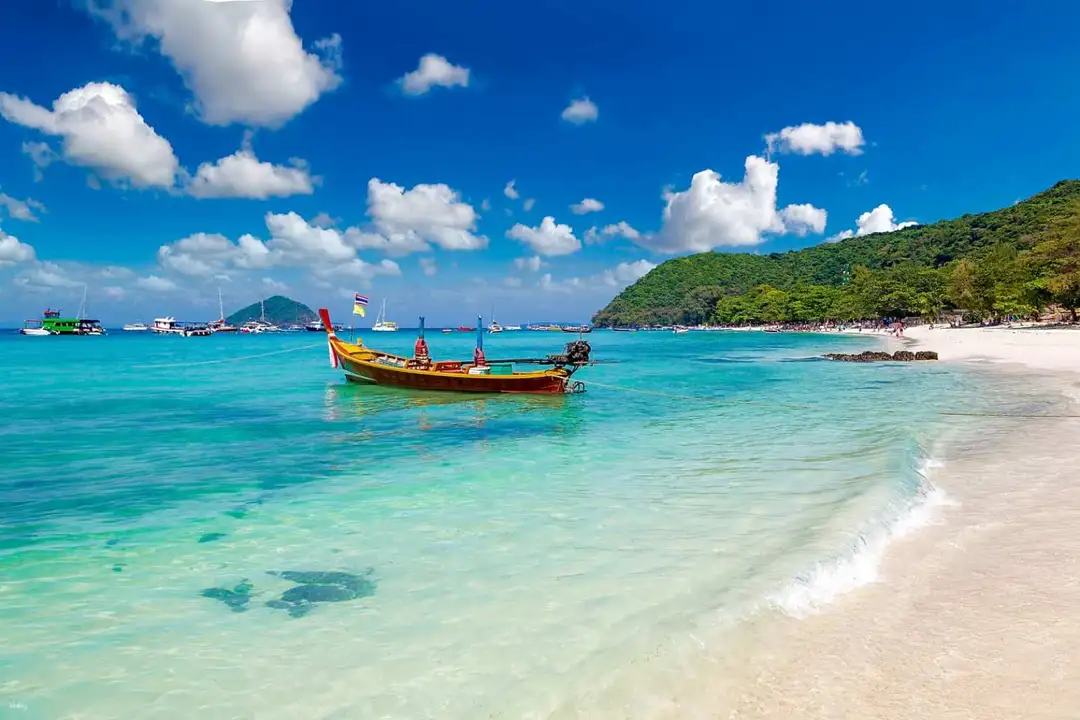
  • Phuket: Thailand’s largest island offers a wide array of attractions and dozens of beaches—each with its own charm and audience. From vibrant nightlife to tranquil coves, there's something for everyone.
  • Khao Lak: Known for its unspoiled nature, pristine beaches, wellness retreats, and excellent dive schools. Perfect for those seeking peace and natural beauty.
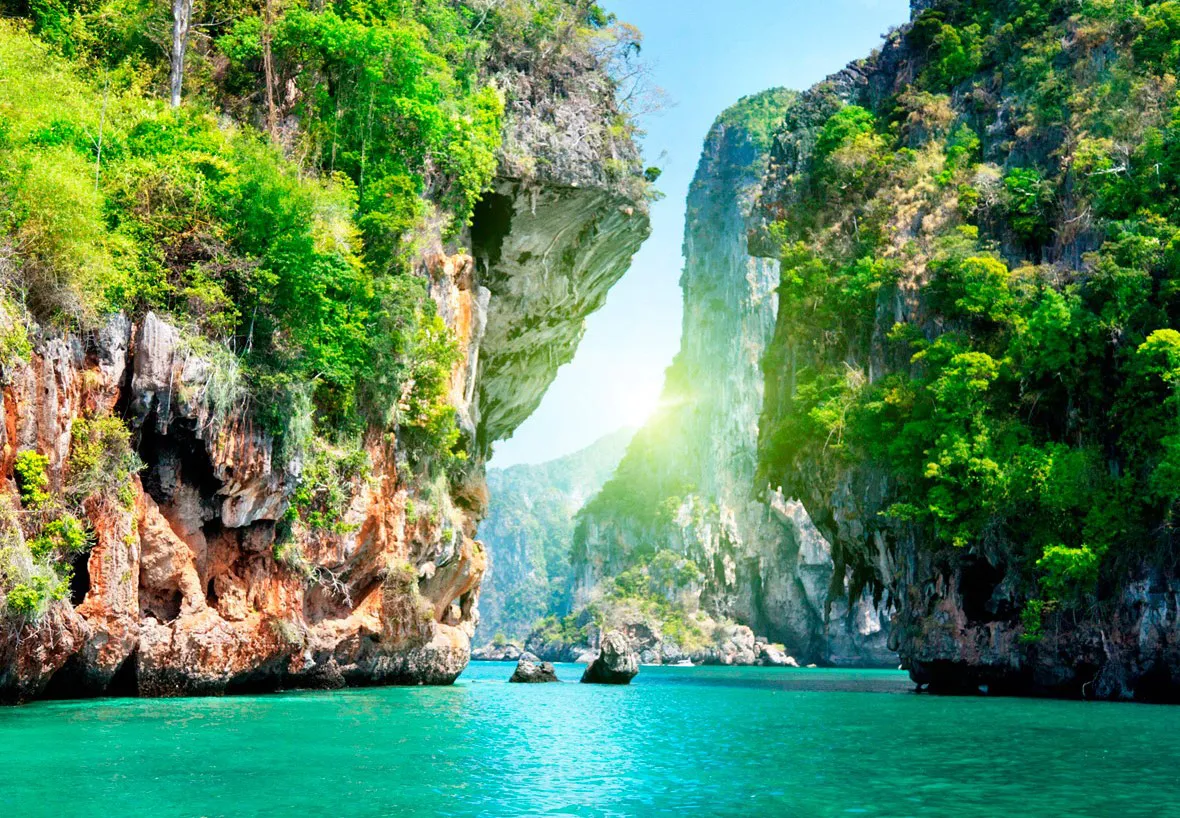
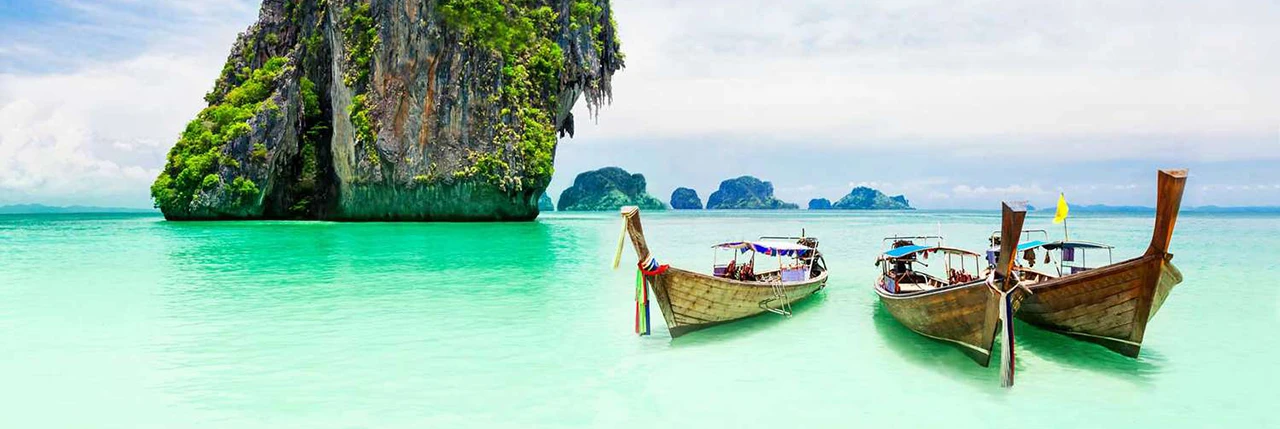
  • Krabi: This province stuns with dramatic limestone cliffs (reminiscent of scenes from Avatar) and jungle-fringed beaches. Despite its natural setting, Krabi boasts a well-developed tourist infrastructure.
  • Phi Phi Islands: These tiny islands are renowned for their breathtaking beauty and crystal-clear waters, making them a hotspot for divers. As the sun sets, the beach transforms with lively parties and fire shows.
  • Koh Yao Noi: A serene escape with little hustle and bustle—ideal for travelers seeking a quiet, secluded island experience.
Andaman Sea Resorts
Gulf of Thailand & South China Sea Resorts

Gulf of Thailand & South China Sea Resorts

  • Pattaya: Once the heart of Thailand's tourism boom, Pattaya still offers a wide variety of entertainment, much of it tailored to an adult crowd. It remains a lively destination for nightlife and fun.
  • Koh Samui: Thailand’s third-largest island is famed for its coconut palms, long beaches, and upscale resorts. A great blend of nature and comfort.
  • Koh Chang: This laid-back island is perfect for nature lovers. A significant portion is protected as a national park, offering a peaceful atmosphere amidst tropical forests and waterfalls.
  • Koh Phangan: Best known for its legendary Full Moon Party, this island also offers tranquil beaches and lush interiors for those looking to explore beyond the party scene.
  • Hua Hin / Cha-Am: A favorite getaway of the Thai royal family, these coastal towns feature elegant, mostly 4- and 5-star hotels—many built in a refined, English-inspired style. A refined, relaxing atmosphere prevails.

Climate and Seasons

Thailand has three distinct seasons: dry, rainy, and cool. The hottest and driest period is from March to May, with temperatures soaring to +35 to +40 °C. While rainfall is minimal, humidity builds steadily, eventually triggering the arrival of the monsoon rains by the end of May.

The rainy season, from May to November, doesn’t mean constant downpours. Tropical showers are typically short and intense—often lasting just 2–3 hours—before the skies clear up again. Days remain warm, averaging +30 to +35 °C, and beach time is still very much on the table. That said, October to November can bring more unpredictable weather and occasional localized flooding, as the ground reaches its saturation point.

By December, the cool, dry “winter” sets in—though by most standards it still feels like summer. With air and sea temperatures around +28 to +30 °C, this is considered the peak tourist season, offering the most comfortable conditions across the country.

In short, Thailand is a year-round destination. Whether you're visiting in the dry, rainy, or cool season, it’s always warm, and even the summer monsoons add a distinct tropical charm to the experience.

Practical Information for Travelers to Thailand

Time Zone

Thailand is 3 hours ahead of Georgia. Be sure to adjust your watch or devices upon arrival.

Currency

The official currency is the Thai Baht (THB), where 1 baht = 100 satang. Local payments are typically made in baht.

  • Best exchange rates are offered at banks.
  • It is advisable to bring US dollars, especially in $100 or $50 denominations, which often receive the most favorable exchange rates.

Visa Information

Thailand operates a simplified visa regime for Georgian citizens.

  • A Visa on Arrival is available directly at the border.
  • This visa allows for a 15-day stay for tourism purposes.
Holidays in Thailand - photo 2

Geographical Overview

Thailand is located in Southeast Asia, with a shape often likened to an elephant’s head—Bangkok as the "eyes" and the long southern peninsula as the "trunk". This southern region is flanked by Thailand’s most popular beach resorts.

  • Eastern coastline: Washed by the Gulf of Thailand (part of the South China Sea).
  • Western coastline: Borders the Andaman Sea.

Neighboring countries include:

  • Cambodia and Laos to the east.
  • Myanmar to the west.
  • Malaysia to the south

The landscape is impressively diverse, ranging from flat plains and rolling hills to dramatic cliffs. Thailand is home to around 70 national parks and nature reserves, making it a paradise for eco-tourists and adventurers alike.

The country also boasts a multitude of islands, both large and small, scattered along its coastlines. The most famous among them are Phuket, Koh Chang and Koh Samui—each offering its own unique atmosphere and attractions.

Historical Background

Thailand’s ancient history is not fully documented, but its recognized historical timeline begins in 1238 with the founding of the Kingdom of Sukhothai, the country’s first independent state. This early kingdom lasted for about 150 years before being absorbed by the more powerful and expansive Kingdom of Ayutthaya, also known historically as Siam.

Ayutthaya flourished for centuries but was frequently engaged in wars with neighboring Burma (now Myanmar) and Kampuchea (Cambodia). In 1767, the city of Ayutthaya was destroyed by Burmese forces, marking the end of the kingdom.

A new chapter began in 1782, when the capital was moved to a small village that would grow into present-day Bangkok. Over the next century, Bangkok transformed into the vibrant heart of the country.

During the colonial era, Thailand—then Siam—managed to avoid colonization, a rare achievement in Southeast Asia, as neighboring regions fell under British or French control. This preservation of independence remains a source of national pride. In 1939, as the country transitioned to a constitutional monarchy, the name was officially changed to Thailand, meaning "Land of the Free".

Today, Thailand is a constitutional monarchy with a parliamentary democracy. The monarchy, however, retains a deeply revered position in Thai society. King Rama IX (Bhumibol Adulyadej), who ascended the throne in 1946, became the world’s longest-reigning monarch and is still remembered with profound respect.

Since the 1970s, tourism has emerged as a vital sector of the Thai economy, helping to transform Thailand into one of the most visited destinations in the world.

Language and Religion

Over 90% of Thais practice Buddhism, and this deeply influences the national character and way of life. Thai culture is grounded in values such as compassion, respect, and harmony, which are reflected in everyday interactions—from the gentle care shown to animals and children, to the warm hospitality extended to tourists.

Even in the most remote corners of the country, you're likely to come across a temple or small pagoda, quietly standing as a symbol of faith. In larger cities, there are numerous spiritual and meditation centers, many of which welcome foreign visitors and offer insight into Buddhist practices.

The Thai language is known for its melodic, sing-song quality, as it belongs to the tonal language family. This means that the same word can have different meanings depending on the tone used. Interestingly, there is no direct word for "hunger" in Thai, but there are several expressions for "smile"—a reflection of the nation's warm and optimistic outlook.

Despite language differences, communication is rarely a barrier. In major tourist areas, English is widely spoken, and in some regions, especially in popular resorts, Russian and other languages are also understood.

Cuisine

Thai cuisine is reason enough to visit the country—it’s a vibrant, flavorful celebration of Southeast Asian culinary traditions. The foundation of most dishes includes rice, noodles, seafood, meat, vegetables, and an abundance of tropical fruits. In fact, Thailand offers one of the richest and most affordable fruit selections in the region.

From spicy coconut milk soups to egg noodles with green mango and crushed peanuts, Thai cuisine offers hundreds of variations to please every palate. The best part? Great food isn’t limited to restaurants. Some of the most delicious and authentic meals can be found at modest local eateries and vibrant street food stalls.

Thailand has a well-established street food culture, with nearly every city hosting night markets, where locals and tourists alike enjoy freshly prepared dishes, snacks, and sweets. When it comes to drinks, you’ll find fresh fruit juices, iced tea, iced coffee, and locally brewed beer, all popular and readily available.

Transport

Thailand boasts a well-developed transportation network that includes international and domestic airports, railway lines, long-distance bus terminals, marinas, and ports.

  • Left-hand traffic is the rule of the road.
  • Roads and highways are generally in good condition, with road signs in both Thai and English.

Getting around is easy and flexible. Common modes of transport include:

  • Scooters and motorcycles (very popular among both locals and tourists).
  • Tuk-tuks (three-wheeled motorized rickshaws, perfect for short trips).
  • Taxis and ride-hailing services.
  • Private car rentals.

For longer journeys, travelers can opt for trains, buses, or domestic flights, all of which connect major cities and tourist hubs efficiently.

Holidays

Thailand’s calendar is rich with vibrant festivals and cultural celebrations, many of which are rooted in Buddhist, royal, or seasonal traditions. Here are some of the most notable holidays:

  • First Friday of February – Chiang Mai Flower Festival. A stunning display of floral art and beauty in northern Thailand, featuring parades, flower floats, and traditional performances.
  • Early February – Chinese New Year. Celebrated with great enthusiasm across the country, especially in areas with large Chinese communities such as Bangkok’s Chinatown. Expect fireworks, dragon dances, and festive street markets.
  • April – Songkran (Thai New Year). One of Thailand’s most famous and joyful festivals. Traditionally a time for purification and blessings, it has evolved into a nationwide water fight. Be prepared to get soaked—even a casual walk through the street can turn into a splash fest!
  • November (Full Moon) – Loi Krathong. One of the most beautiful festivals of the year. People gather near rivers, lakes, or canals to float decorative boats made from palm leaves, while others release sky lanterns into the night sky, creating a magical scene of lights and reflections.
  • December 5 – King’s Birthday. A national holiday in honor of the late King Rama IX, marked by parades, candlelit ceremonies, and festive events throughout the country.

Medicine and Healthcare

Thailand is known for its high-quality healthcare system, which blends modern Western medicine with traditional Eastern practices. Many international visitors come for medical tourism, including wellness treatments, cosmetic procedures, and holistic therapies.

  • Public and private hospitals in major cities like Bangkok, Chiang Mai, and Phuket offer excellent care, often with English-speaking staff.
  • Emergency care is readily available, but it can be costly for tourists without insurance.
  • It is highly recommended to arrange comprehensive travel medical insurance before your trip to cover potential emergencies or hospital visits.

Emergency numbers

  • Tourist police 1155
  • Single number for police, ambulance and fire department 191
  • Traffic police 1193
  • Nearest Embassy of Georgia in India +91 405 01 424
    Address: 169, Jor Bagh, New Delhi, 110003, India

Useful Tips for Travelers in Thailand

Smile!

Thais are generally calm, polite, and non-confrontational. A smile goes a long way. Avoid public displays of anger or rudeness, which are considered disrespectful and can provoke negative reactions.
Important:
Never criticize or insult the monarchy or Buddhist monks—these are highly respected institutions and protected by strict laws.

Respect Buddhist customs and temples

  • Dress modestly when visiting religious sites: cover your shoulders and knees.
  • Remove your shoes before entering temples.
  • Never point your feet toward a Buddha statue or altar, and avoid sitting in a way that shows the soles of your feet.

Mind your gestures

  • Avoid patting anyone on the head, even children—it’s considered sacred.
  • Touching someone’s head is highly inappropriate, as it's believed to be the seat of the soul.
  • Refrain from patting people on the back or shoulders, unless you know them well.

Stay alert in nightlife areas

If visiting areas known for bars and clubs, use common sense, stay in groups if possible, and be cautious with your belongings.

Be aware of souvenir restrictions

It is forbidden to export the following without special permission:

  • Buddha or Bodhisattva statues taller than 13 cm
  • Monks' alms bowls

Exceptions are made for practicing Buddhists transporting items for cultural or academic purposes, but an export license from the Thai Fine Arts Department is required.

About us
  • About Coral Travel
  • About Coral Travel Group
  • Company details
  • Feedback on the trip
  • Contacts
Useful information
  • Information
  • Reminders
Popular destinations
  • Turkey
  • Greece
  • Thailand
Meta PlatformsInstagram
Coral Travel
Coral Travel
Odeon Tours
Odeon Tours
Ferien Touristik
Ferien Touristik
Odeon Beds
Odeon Beds
Seven Seas
Seven Seas
Marvida Hotels
Marvida Hotels
Xanadu Resort
Xanadu Resort
Odeon Security
Odeon Security
Odeon software
Odeon software
To access agent zoneLogin Agent Panel
Coral Travel Document No:
Copyright © 2025 Coral Travel. All rights reserved.
  • Privacy policy
  • Cookies