logoCoral Travel Document No:
Where to buy
GEL - English
Countries
Reservation check
Promotions
Concepts
Coral Family ClubCoral Elite ServiceCoral Group Hotels
Useful Information
Extra servicesFeedback on the trip
  • Homepage/
  • Tours to Sri Lanka
Sri Lanka Holidays

Sri Lanka
Holidays

Traveling to Sri Lanka

Sri Lanka, also known as Ceylon, is the land of lush tea plantations, the sound of the Indian Ocean, the wisdom of Ayurveda, and the serenity of ancient Buddhist monasteries. Life moves slowly here—except for surfers chasing waves and divers seeking underwater thrills.

Book your holiday in Sri Lanka

Recommended Hotels

Main Cities and Resorts

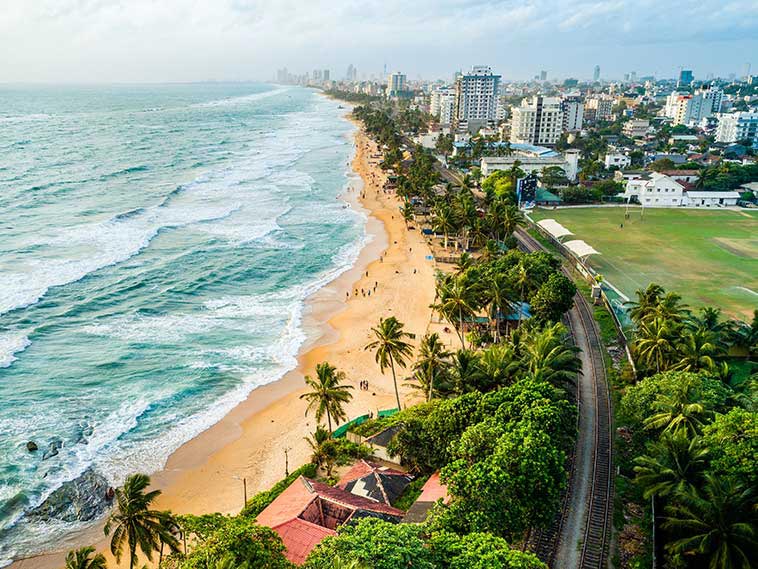
Colombo

Colombo

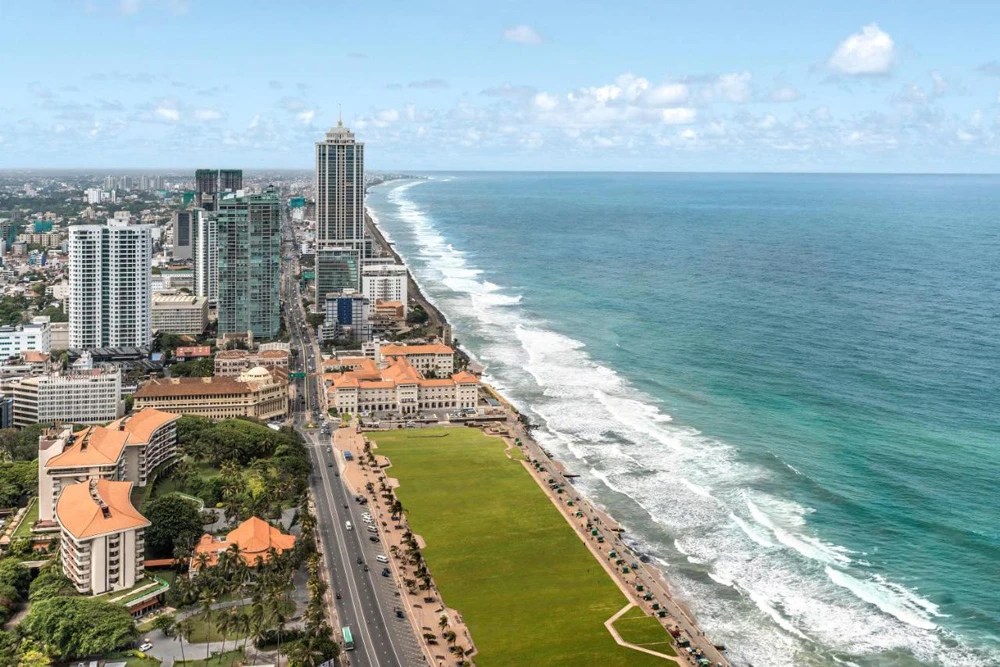
Colombo – the capital and economic heart of Sri Lanka, and one of the largest seaports in South Asia. Here, modern hotels and skyscrapers coexist with colonial buildings, souvenir shops, street markets, and temples.

See more
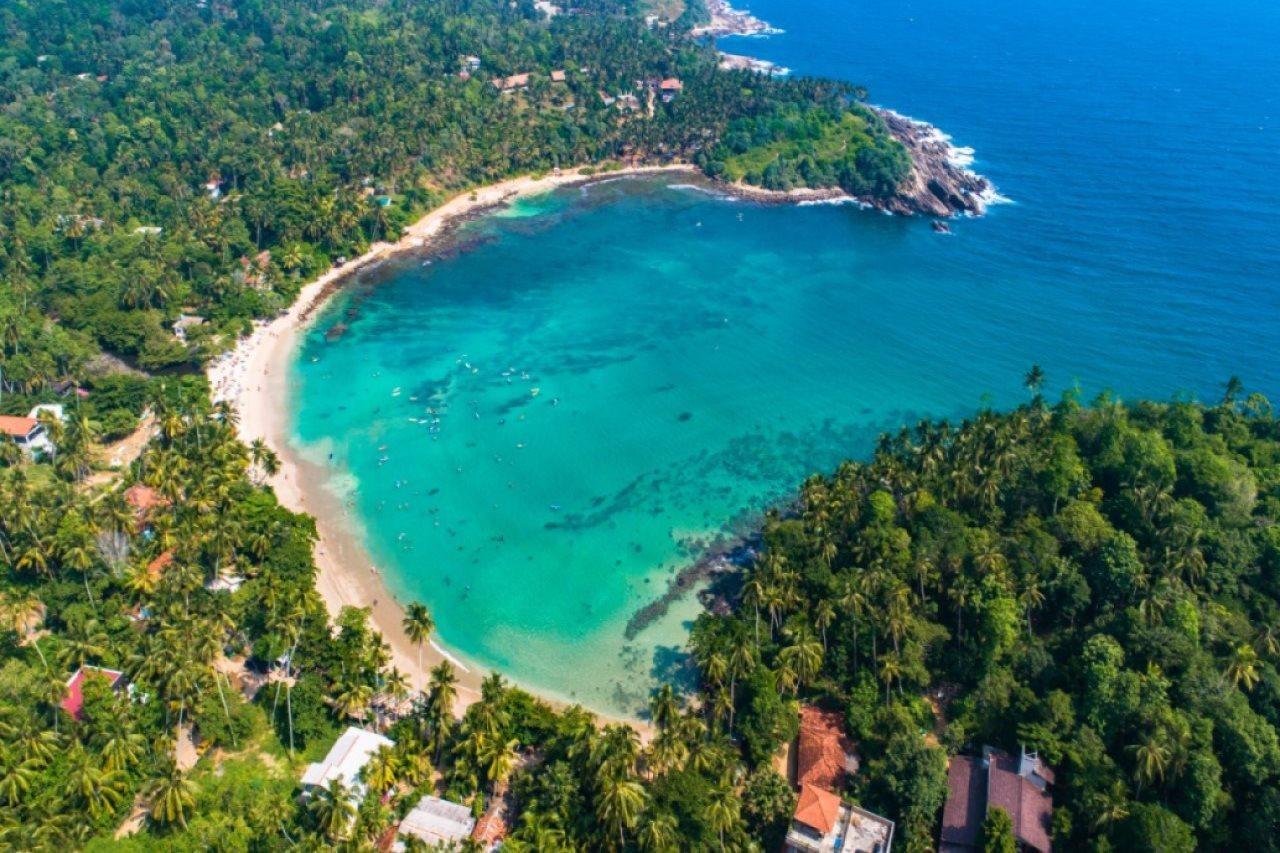
Hikkaduwa

Hikkaduwa

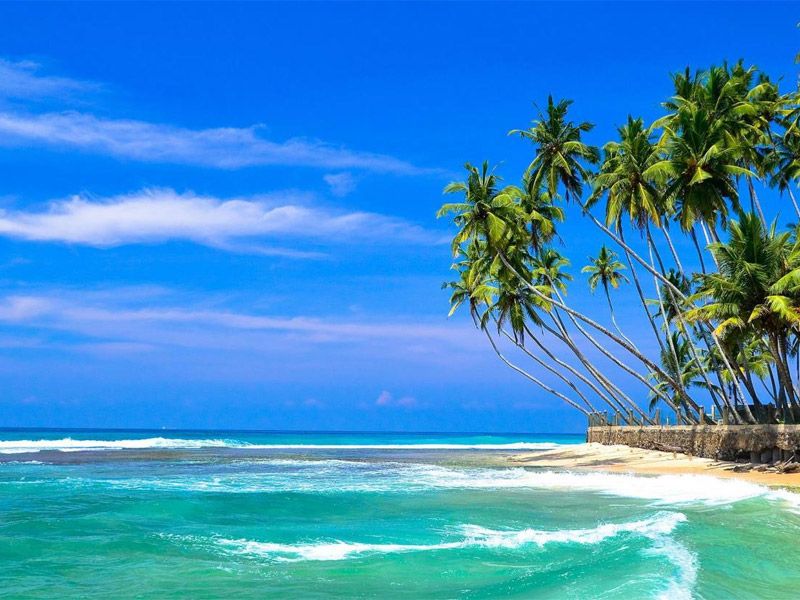
Hikkaduwa (about 100 km south of Colombo) – a popular resort and coral sanctuary, the first in Sri Lanka to welcome foreign tourists. It offers a well-developed infrastructure, lively bars, and ideal conditions for surfing and diving. A must-visit spot is the local fish market by the man-made harbor, where you can indulge in fresh lobster or jumbo prawns.

See more
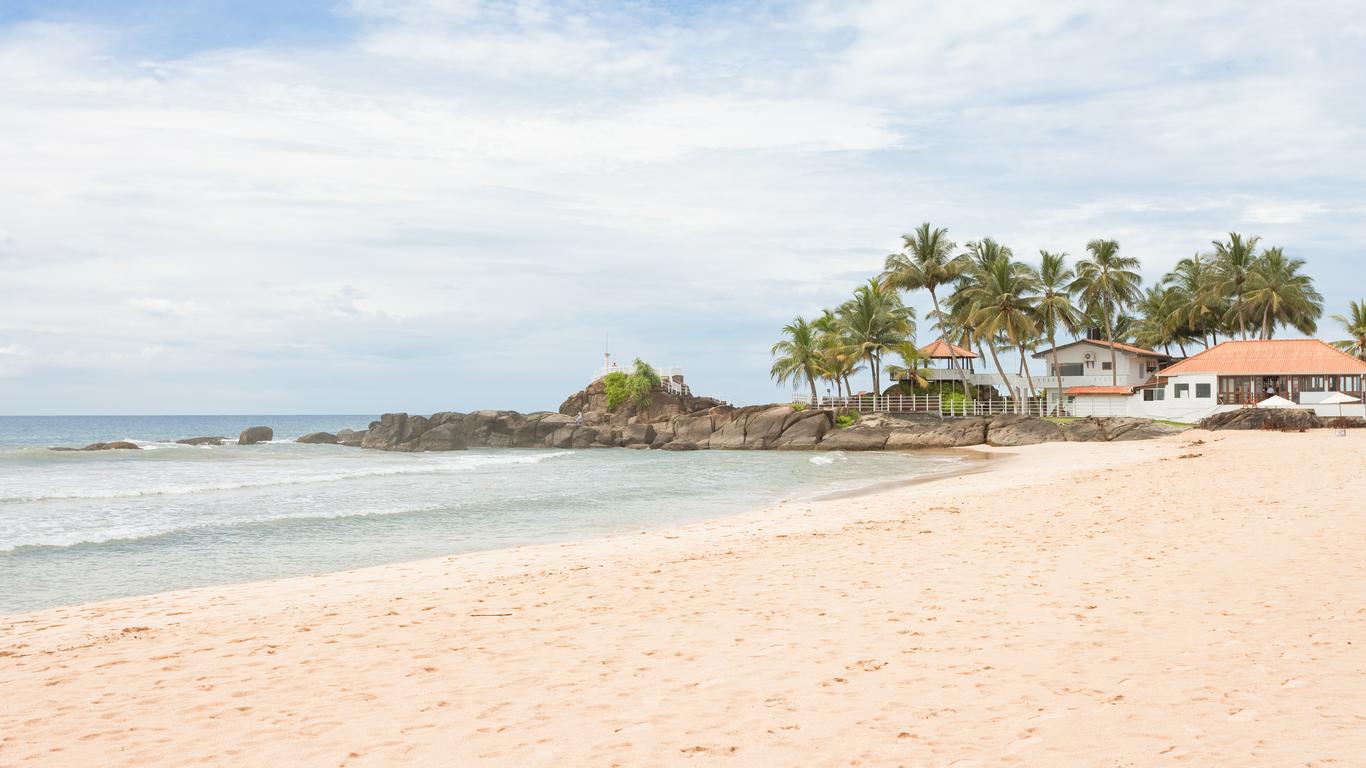
Beruwala

Beruwala

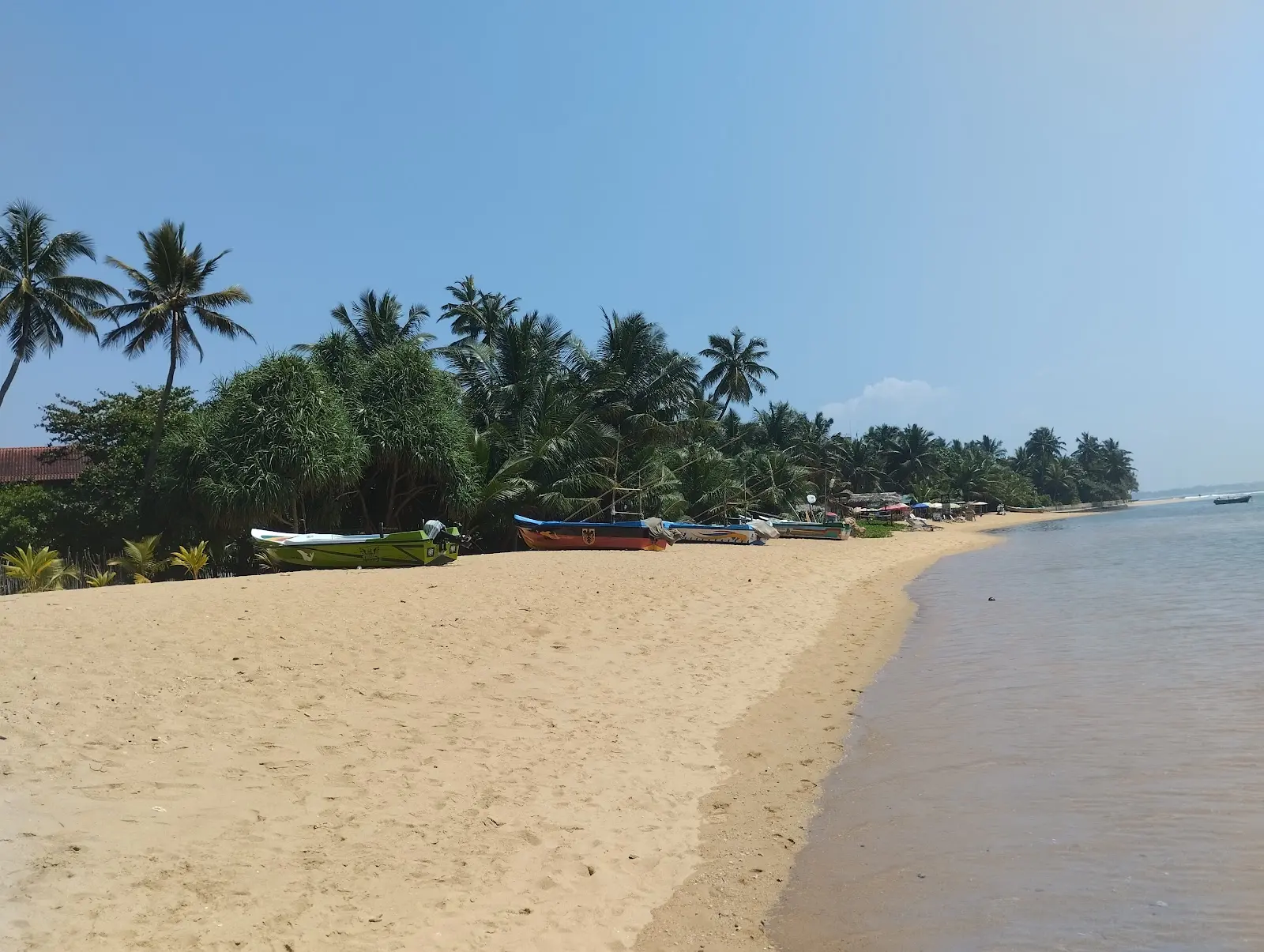
Beruwala (about 55 km south of Colombo) – a premium Sri Lankan resort without guesthouses, but boasting 5-star hotels and upscale restaurants. Its beaches stretch for nearly 100 km, equipped with umbrellas, loungers, and tables topped with tropical fruit platters. Many hotels feature Ayurvedic and spa centers.

See more
Bentota

Bentota

Bentota (around 65 km south of Colombo) picks up where Beruwala leaves off. In a peaceful lagoon sheltered from the ocean by a cape lies Sri Lanka’s largest water sports center and the “Confifi Marina” diving club. Activities include water skiing, catamaran rides, surfing, fishing trips, and yacht cruises. The resort also offers top-notch hotels, a shopping center, a railway station, shops, cafes, and even an open-air theater with masquerades and puppet shows.

See more
Dikwella

Dikwella

Dikwella (about 70 km south of Colombo) – a tropical paradise with golden beaches, waterfalls, lush vegetation, and ancient monuments. Some towns in the region were abandoned 15 centuries ago and remain preserved. Numerous Ayurvedic centers operate nearby.

See more
Ahungalla

Ahungalla

Ahungalla (about 78 km south of Colombo) – a small, peaceful town ideal for those seeking tranquility. Nearby attractions include a sea turtle hatchery, an ancient Buddhist temple, and the Mask Museum, which hosts performances featuring shamans.

See more
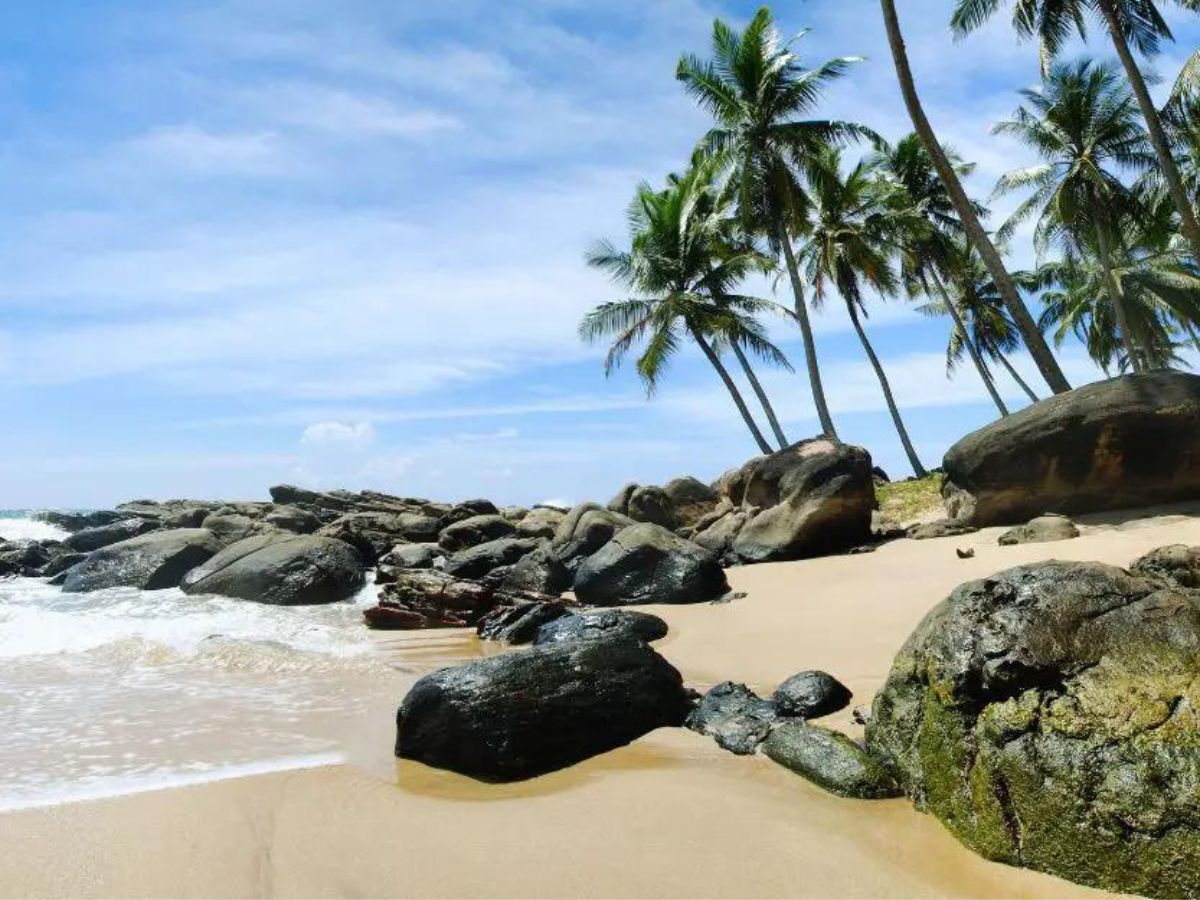
Tangalle

Tangalle

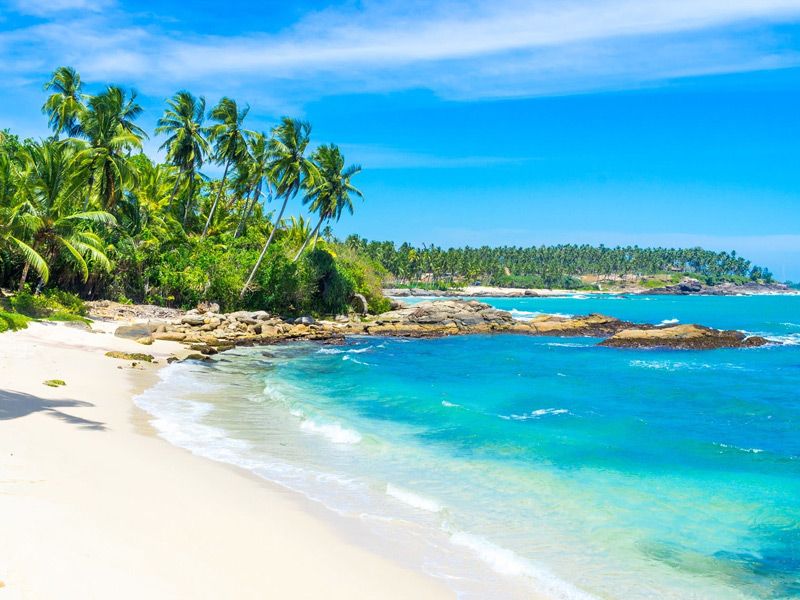
Tangalle – the southernmost and most secluded resort in Sri Lanka, popular for diving and snorkeling. Despite its luxurious hotels, the long, empty beaches offer peace and quiet. Don’t miss the local seafood, freshly caught by fishermen.

See more
Mount Lavinia

Mount Lavinia

Mount Lavinia (12 km south of Colombo) – a beach destination with colonial charm, perfect for a quieter vacation. Nearby are the National Zoological Gardens, with an “open space” concept allowing visitors and animals to interact more naturally. Bolgoda Lake, Sri Lanka’s largest natural freshwater reservoir, is also close, home to 45 fish species and 160 bird species.

See more
Trincomalee

Trincomalee

Trincomalee – located on the northeast coast, this resort boasts one of the most beautiful and tranquil deepwater bays in the world. Surrounding the area are healing hot springs, Hindu temples, and ruins of a city founded in the 1st century AD—an official archaeological reserve of Sri Lanka.

See more

Geographical Overview

The island of Sri Lanka is located in the Indian Ocean, about 31 km off the southern coast of India. The total area of the island is 65,610 km², stretching 445 km from north to south and 225 km from west to east.

Most of the island consists of lowland plains, generally no more than 100 meters above sea level. In the center lies the Central Highlands, with elevations ranging between 1,000 and 2,000 meters. The most famous peak is the majestic Adam’s Peak (Sri Pada), which rises to 2,243 meters.

Many rivers originate in these highlands, some of which are navigable. The longest river is the Mahaweli Ganga, with a length of 335 km.

History

Around the 10th century BC, four tribes of Aryan origin lived in what is now Sri Lanka. In 247 BC, Buddhism was introduced to the island, playing a crucial role in shaping the country’s culture, identity, and system of governance.

In 1505, the Portuguese arrived, but by 1656 they were pushed out by the Dutch. In 1796, Sri Lanka (then known as Ceylon) became a British colony. The country gained independence in 1948, and in later years officially changed its name from Ceylon to Sri Lanka.

In 1983, a civil war broke out with the Tamil minority, who were demanding autonomy and even full separation. Today, however, the country enjoys a peaceful atmosphere and continues to develop as a popular travel destination.

Climate and Seasonality

Sri Lanka has a tropical climate—warm and humid throughout the year—with an average annual temperature of +28ºC. The seasons are defined by rainfall rather than temperature: there is a dry season (also known as the high tourist season) and a monsoon season (low tourist season).

Despite the island’s relatively small size, the timing of the rainy season varies depending on the coast:

  • Northeast coast: rainy season lasts from October to January
  • Southwest coast: rainy season runs from May to July

+27-28°С

Average annual air temperature

+27-28°С

Average annual water temperature

Time Zone

Sri Lanka is 1.5 hours ahead of Tbilisi time.

Cuisine

Sri Lankan cuisine is similar to Indian cuisine, which is not surprising given the two countries are separated only by the narrow Palk Strait. Like Indians, Sri Lankans eat a lot of rice, fish, greens, and spices. Many dishes include coconut flakes, coconut milk and oil, as well as palm nectar (called treacle). A popular ingredient is umbalakada – a powdered dried fish used to add aroma to curries.

Most dishes are very spicy, so when ordering, it's best to ask for a milder, more European-adapted version.

Currency

The official currency of Sri Lanka is the Sri Lankan Rupee (LKR).
1 rupee = 100 cents.

Banknotes in circulation come in denominations of 10, 20, 50, 100, 500, 1000, and 5000 rupees, and coins are available in 10, 25, 50 cents, as well as 1, 2, 5, and 10 rupees.

It is recommended to exchange currency at Colombo Airport, where the exchange rates are usually the most favorable. Be sure to keep the receipt from the currency exchange — you’ll need it to exchange any leftover rupees back into foreign currency at the airport bank when leaving Sri Lanka.

Export of the national currency from Sri Lanka is prohibited.

Language and Religion

The official languages of Sri Lanka are English, Sinhala, and Tamil. The major religions practiced in the country are Buddhism, Hinduism, Christianity, and Islam.

The majority of the population (about 70%) practices Buddhism, mainly among the Sinhalese. The Tamils, who make up around 15%, are predominantly Hindus.

Transport

Public transportation in Sri Lanka mainly consists of trains and buses. For getting around within cities, the most convenient option is to use local taxis, especially the iconic three-wheeled tuk-tuks. They are inexpensive and widely available, making them a popular choice for short-distance travel.

Medical Information

No special vaccinations are required for a beach holiday in Sri Lanka. However, if you plan to travel into the jungle or remote inland areas, it's recommended to take malaria prevention tablets in advance. When visiting national parks or nature reserves, use insect repellent to protect yourself from mosquito bites and other insects.

If you need medical assistance during your stay, use the insurance policy provided when you booked your tour.

Useful Recommendations for Traveling in Sri Lanka:

  • When visiting Buddhist or Hindu temples, do not wear shorts or clothing that exposes shoulders or back.
  • You must remove your shoes and headwear before entering the temple.
  • In some hotels, entry to restaurants in shorts or swimwear is not allowed — keep this in mind when choosing your outfit.
  • Always pay close attention to prices, watch out for hidden fees, and count your change carefully after payments.

About us
  • About Coral Travel
  • About Coral Travel Group
  • Company details
  • Feedback on the trip
  • Contacts
Useful information
  • Information
  • Reminders
Popular destinations
  • Turkey
  • Greece
  • Thailand
Meta PlatformsInstagram
Coral Travel
Coral Travel
Odeon Tours
Odeon Tours
Ferien Touristik
Ferien Touristik
Odeon Beds
Odeon Beds
Seven Seas
Seven Seas
Marvida Hotels
Marvida Hotels
Xanadu Resort
Xanadu Resort
Odeon Security
Odeon Security
Odeon software
Odeon software
To access agent zoneLogin Agent Panel
Coral Travel Document No:
Copyright © 2025 Coral Travel. All rights reserved.
  • Privacy policy
  • Cookies