Historical Background
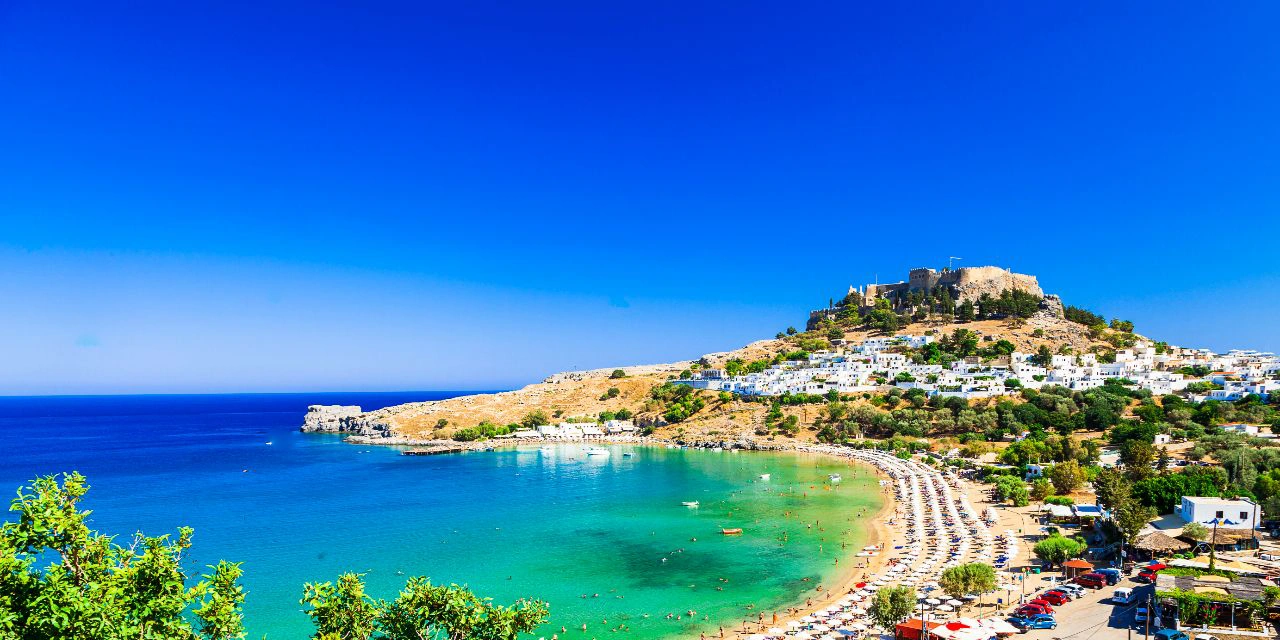
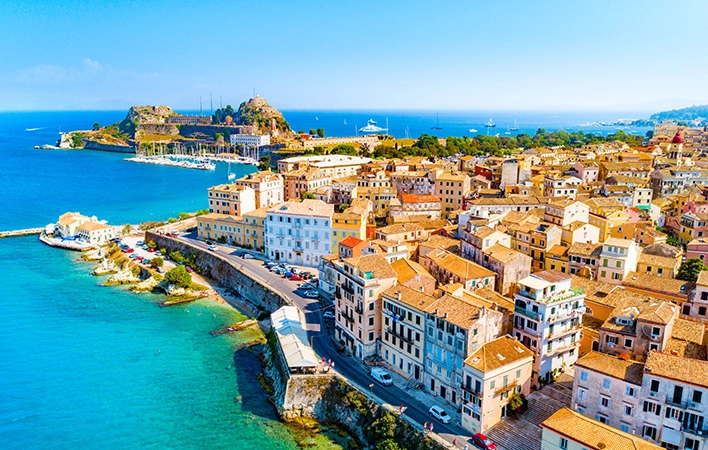
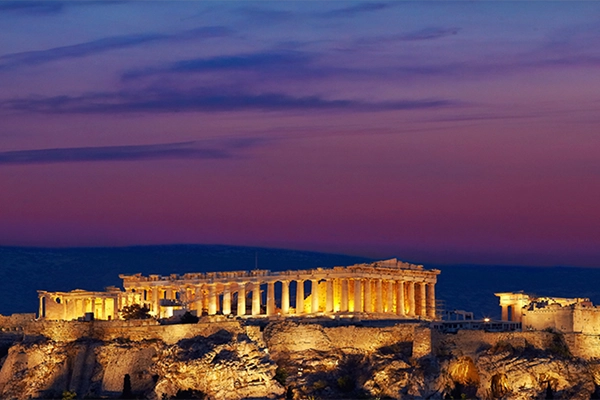
Greece is the cradle of European civilization and the land of myths and legends. As early as the 1st millennium B.C., it was home to advanced city-states. It later became part of the Roman Empire, played a key role in early Christianity, and came under Venetian and then Ottoman rule. Greece gained independence in 1831 and joined the European Union in 1981. Today, it boasts 17 UNESCO World Heritage Sites, including the Acropolis of Athens, Meteora Monasteries, the Old Town of Corfu, Mount Athos, and the ruins of Delphi.
Language and Religion
The official language is Greek, written in a unique alphabet that may resemble Cyrillic to some. In hotels and larger shops, staff commonly speak English, and sometimes German or French. About 98% of the population belongs to the Hellenic Orthodox Church, with other religions represented in small numbers.
Cuisine
Greek cuisine is simple, fresh, and wholesome. It features freshly caught fish, local cheeses, unsweetened yogurt, wild herbs, olives, and plenty of olive oil. Seasonal vegetables and fruits—like tomatoes, lemons, zucchini, peppers, eggplants, grapes, and figs—are central to every meal. Greek salad and homemade wine have become iconic symbols of the country’s culinary tradition.
Lamb and pork are typically stewed, baked, or grilled. Family-run taverns remain the heart of Greek dining. For a quick bite, try gyros—a warm pita stuffed with grilled meat, fresh veggies, and tangy yogurt sauce.
Transport
Greece’s state-run bus company, KTEL, offers comfortable and reliable travel across the mainland and islands—tickets are sold at newsstands, and fines for fare evasion are steep. Taxis can be hailed on the street or at designated stands, with fares either fixed or metered; note that nighttime and holiday rides cost double.
Island hopping is easy by ferry or high-speed “rocket” boats. Local air travel is well-developed, with airports on all major islands. Car rentals are available at airports, railway stations, hotels, and rental agencies, offered by both international and local companies—local providers often offer lower prices without sacrificing quality. Requirements include an international driver’s license, at least one year of driving experience, and a minimum age of 21. Speed limits are 120 km/h on highways, 90 km/h on rural roads, and 50 km/h in towns.
Holidays
Greece celebrates many religious and public holidays, several of which are non-working days. The lively carnival season takes place in February-March, featuring parades, masquerades, folk dances, and festive fun. The Orthodox Church follows the Gregorian calendar but celebrates some holidays earlier than in Georgia.
- January 1: New Year’s Day and St. Basil’s Day, honoring the patron saint of the poor.
- January 6: Epiphany ("Fota" or "Lights").
- January 8: Ginaikratia, a women’s day when men take over household chores.
- March 25: Greek Independence Day.
- Easter (March-April): The most important holiday. Flags are lowered two days before; fasting is observed. At midnight on Easter, candles are lit and people greet each other with "Christ is risen!"
- May 1: Labor Day.
- June 23-24: Midsummer Night, a celebration of love and magic.
- August 15: Summer Easter, the Assumption of the Mother of God.
- October 26: St. Demetrius Day, Thessaloniki’s patron saint, marked with an annual carnival.
- December 25: Christmas, traditionally celebrated with stuffed cabbage (dolmades), symbolizing the Christ child.
Emergency Numbers
- Police: 100
- Ambulance: 166
- Fire Department: 199
- Pharmacies on Duty: 107
- Hospitals on Duty: 106
- Tourist Police: 171
Medicine
Medical care in Greece is free of charge. If you need a doctor, use the medical insurance policy provided with your trip.
Useful Tips
Greeks embrace a relaxed pace—everything happens “siga-siga” (slowly). Don’t expect strict punctuality or fast service. If someone says "aurio" (tomorrow), it often means a polite way to postpone indefinitely.
Show respect to elders and avoid criticizing Greece—locals may criticize their country but won’t tolerate it from foreigners. Be friendly and polite; Greeks dislike arrogance or coldness.
When visiting monasteries, dress modestly—wear long skirts or pants, or use the capes and coverings provided.
Never take marble fragments from ruins—it’s illegal and punishable by law.