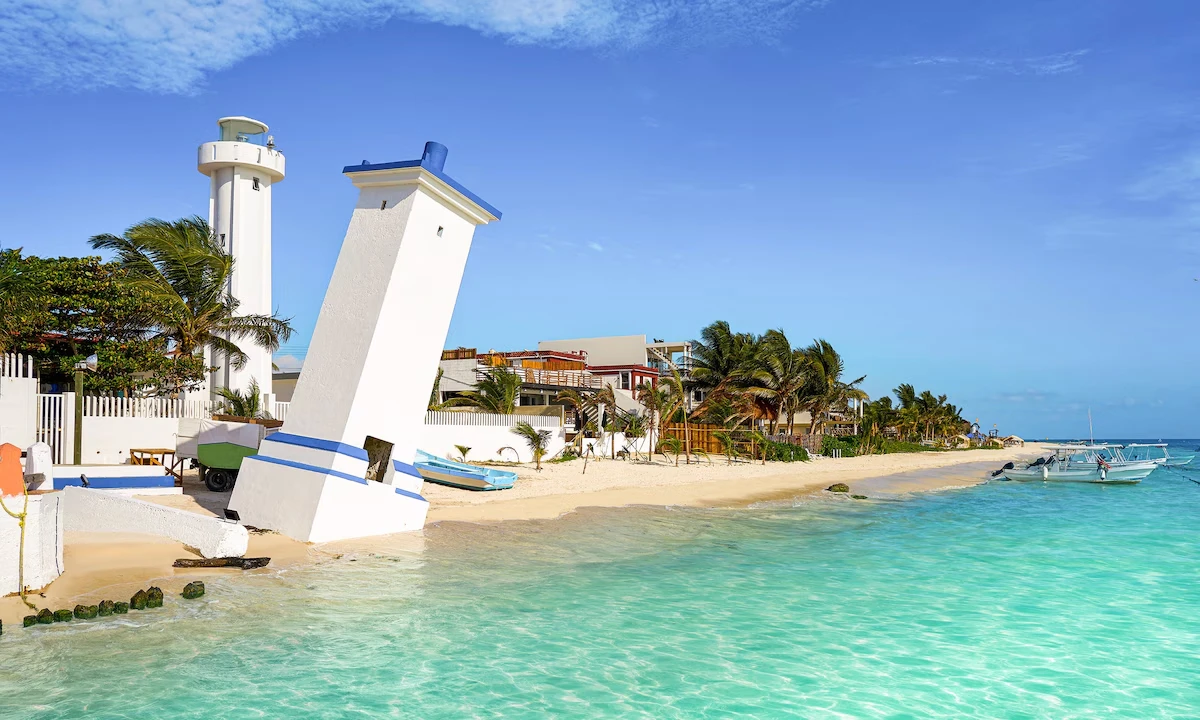
Climate and Seasonality
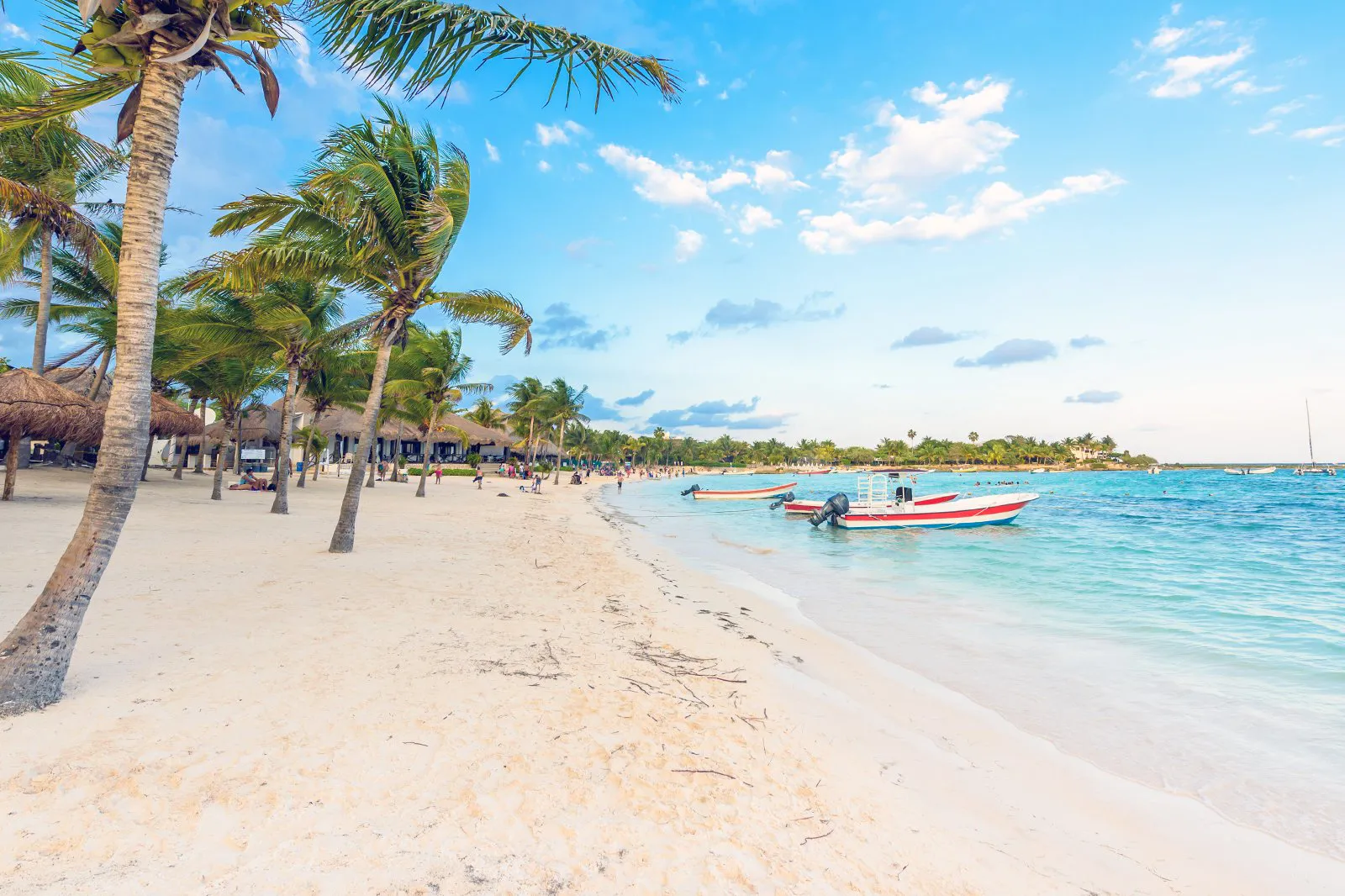
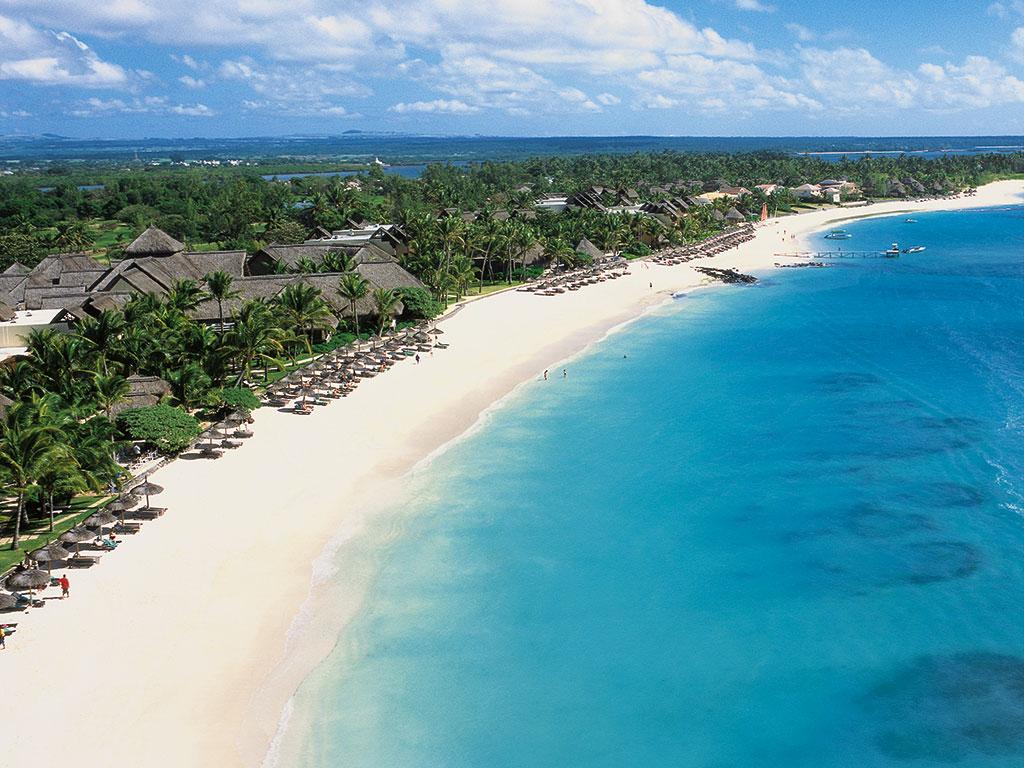
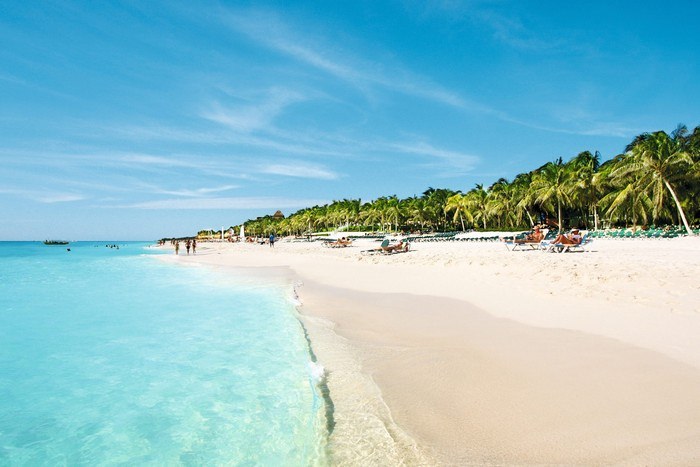
Along the coast of the Gulf of Mexico, there are two main seasons: the dry season from November to April and the wet season from June to September. While temperatures between these seasons don’t differ dramatically, the amount of rainfall varies significantly due to the influence of tropical cyclones. Despite this, bright sunshine and warm, gentle sea waters are a year-round guarantee in Mexico.
Time Zone
The time in the resort towns along the Gulf of Mexico is 9 hours behind Tbilisi time.
Currency
The official currency is the Mexican New Peso (international code: MXP), which is subdivided into 100 centavos (cents). U.S. dollars are also widely accepted, and credit card payments are generally easy to use.
Visa
Citizens of Georgia must obtain an appropriate visa (tourist, business, etc.) to travel to Mexico. However, Georgian citizens who hold a valid visa for the United States, a multiple-entry visa for any Schengen country, Canada, Japan, the United Kingdom, or Northern Ireland may enter Mexico without a visa.
To apply for a visa, Georgian citizens should contact the Honorary Consulate of Mexico in Tbilisi. The consulate forwards the electronic application to the Embassy of Mexico in Ankara for processing.
Geographical Note
Mexico is located in the southern part of North America. It is bordered by the Gulf of California and the Pacific Ocean to the northwest, and by the Gulf of Mexico and the Caribbean Sea to the southeast. To the north, Mexico shares its border with the United States, while to the southeast it borders Belize and Guatemala. The country features a highly diverse topography, ranging from plains and high plateaus to tropical forests and snow-capped mountains. Mexico is also home to more than 40 extinct volcanoes.
Historical Background
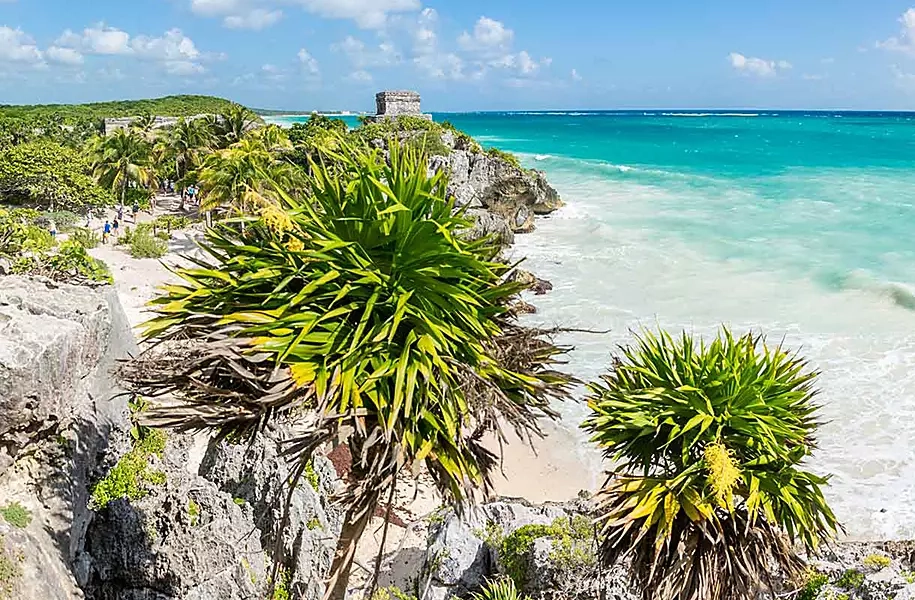
The earliest known period of Mexico’s history dates back to around 1,500 years AD. During this time, the Olmec civilization flourished in the region that is now modern Mexico. They were later succeeded by one of the most powerful ancient empires—the Maya.
By the 14th century, the last great pre-Columbian civilization emerged: the Aztec Empire, which thrived until the arrival of Europeans.
The first European to set foot on these lands was Francisco Fernández de Córdoba in 1517. Within just 20 years, Mexico became a Spanish colony, and the indigenous people were forcibly converted to Christianity.
In the early 19th century, when Spain was weakened by Napoleon’s invasion, Mexico launched a war of independence, which it successfully achieved in 1821. Mid-century, during the war with the United States, Mexico lost much of its northern territory. The country also faced French intervention, which lasted until 1867.
Later, a coup brought dictator Porfirio Díaz to power, ruling Mexico until the 1910s. He was eventually overthrown by the Mexican Revolution, and in 1917 the country adopted a constitution that remains in effect today.
Language and Religion
The official language of Mexico is Spanish. In tourist and resort areas, English is widely spoken and understood. Christianity is the dominant religion, with nearly 100% of the population identifying as Catholic.
Cuisine
Mexican cuisine is a vibrant blend of Spanish and Native American traditions, known for its bold and spicy flavors. The foundation of many national dishes includes three key ingredients: corn tortillas, fiery chili peppers, and beans.
At the top of the list are popular snacks such as burritos, nachos, tacos, and quesadillas. Essentially, these are tortillas wrapped around savory meat or vegetable fillings, often served with a variety of sauces—from tangy tomato salsa to creamy avocado guacamole.
Close contenders are the many variations of fajitas, where grilled meat, fresh vegetables, and stewed beans are wrapped in thin tortillas to create a flavorful meal.
When it comes to drinks, tequila—a spirit made from blue agave—stands out as Mexico’s signature alcoholic beverage.
Transportation
In the resort areas, there is a network of fixed-fare taxis charging around $0.50 regardless of the distance. Between cities, inexpensive buses operate regularly, though taxis are also available. When taking a taxi outside the resort zones, it’s important to negotiate the fare in advance, as many vehicles do not have meters.
Holidays in Mexico
- Late February - Early March: Carnival
- February 24: Flag Day
- September 16: Independence Day
- September 21: Feast of the god Quetzalcoatl at Chichen Itza
- November 2: All Saints Day and Day of the Dead (Día de los Muertos)
- November 22: St. Cecilia's Day — celebration of Mexican musicians
- December 25: Catholic Christmas
Medicine
No special vaccinations are required to visit resort areas in Mexico. However, it is advisable to have good medical insurance, which is often arranged when purchasing a tour. Major clinics are available in all cities, and hotels are equipped with medical rooms for providing first aid.
Useful Recommendations
- Tips are usually about 10% of the amount on the bill. It is customary to tip porters ($1–2), drivers, and tour guides for their services.
- Avoid swimming on wild beaches where there are no lifeguards. The calm waters of the Gulf of Mexico may have hidden underwater currents.
- Crime is almost non-existent in resort areas, but if you decide to go beyond them, be cautious — watch your belongings and avoid walking on dark streets.