Kerala Beaches – Tranquility and Wellness by the Sea
Each resort in Kerala is also an Ayurvedic center, offering the opportunity to fully experience this ancient and holistic system of healing. The combination of beach relaxation and rejuvenation treatments makes Kerala truly unique.
All beaches in Kerala are public and free of charge. Most of them are relatively small and peaceful, ideal for a quiet retreat. However, in some areas the sea can be rough, making swimming unsafe at times.
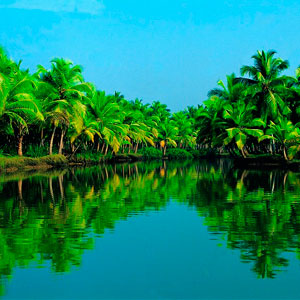
Many resorts are located near calm lagoons, with secluded, clean beaches on the opposite shore. Guests are usually taken there by boat, offering a scenic and peaceful start to the day.
Kerala Beaches – A Blend of Beauty, Culture, and Serenity
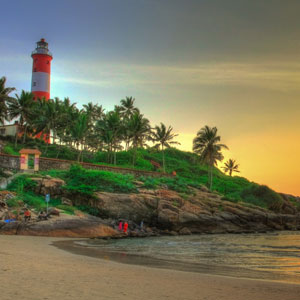
Kerala’s coastline is home to some of India’s most scenic and culturally rich beaches. From golden sands and tranquil lagoons to vibrant ports and historic landmarks, each beach offers a unique experience.
Veli Beach
Located just 2 kilometers from Trivandrum International Airport, Veli is one of the most easily accessible beaches in Kerala. Its charm lies in its stunning natural beauty: golden sands that glisten under the sun, clear ocean waters, and natural lagoons formed by high tides. Though often called "lakes," these shallow tidal pools are perfect for swimming, fishing, or observing local fishermen at work. The atmosphere is peaceful and ideal for a gentle introduction to Kerala’s coastline.
Kovalam Beach
A world-famous crescent-shaped bay, Kovalam is ideal for kayaking, swimming, surfing, and water skiing. Coral reefs line parts of the shore, creating calm, clean waters perfect for catamaran rides. The beach is bordered by lush coconut palm groves, enhancing its tropical charm. Located just 14 km from Trivandrum, Kovalam is easily accessible by bus or taxi (including from the airport and railway station).
Shanghumugham Beach
Also near Trivandrum International Airport, this beach is great for water sports and family activities. It features a health club, a children’s park, and a star-shaped restaurant. One of its highlights is the sculpture “Jalakanya” (Mermaid), a local attraction. The beach also hosts annual motorcycle races, drawing crowds from around the region.
Beypore Beach
Beypore was once one of Kerala’s most prominent ancient seaports, and its shipbuilding legacy continues today. Tourists can observe the construction of traditional Arab trading ships called uru. A major attraction here is a 2-kilometer-long stone bridge that stretches into the sea. Nearby, you’ll find Pookot Lake, where you can rent a boat or visit a freshwater aquarium.
Bekal Beach
Located 14 km from Kasargod, Bekal is a peaceful beach surrounded by palm trees and known for its tranquility. Its most famous landmark is the Bekal Fort, over 300 years old, featuring sea bastions, underground tunnels, and a watchtower with panoramic views. Nearby lies Pallikere Beach, a scenic extension of this beautiful stretch of coast.
Fort Cochin Beach
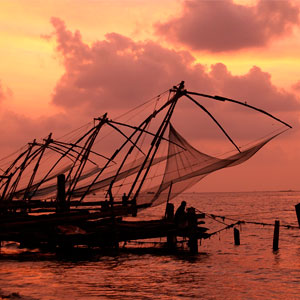
Situated at the mouth of a river, Fort Cochin is not only a beach but also a vibrant fishing hub. The beach is known for:
- The Chinese fishing nets, a fascinating legacy from the 14th century, best viewed from Vasco da Gama Square.
- The historic St. Francis Church, originally built in wood in 1503 and later reconstructed in stone. It housed the remains of Vasco da Gama, who was buried here before being reinterred in Portugal 14 years later.
- A New Year’s carnival and fair, full of music, food, and festivities.
- Fresh seafood markets, where visitors can enjoy freshly caught and cooked delicacies.
Fort Cochin can be reached from Ernakulam by bus, taxi (about 50 minutes), or boat (about 30 minutes from Main Wout Jetty). Boats also depart from Wellingdon Island near the Taj Malabar.
Kerala Hotels
Hotels in Kerala are harmoniously integrated into the region’s breathtaking natural landscapes. They are typically located in picturesque bays along the coast or on the shores of tranquil lakes — the most prominent being Vembanad Lake, a renowned center of Ayurveda.
Comfortable 4- and 5-star hotels in the area offer guests a high-quality and diverse vacation experience. These include Ayurvedic treatments, cultural entertainment programs, and excursions to nearby lakes, waterfalls, and mangrove forests. Whether you seek wellness, adventure, or serenity, Kerala’s hotels provide the perfect base for an unforgettable stay.
Sights of Kerala
The capital of Kerala, Thiruvananthapuram (formerly Trivandrum), is a vibrant and spacious city spread over seven small hills, just a few kilometers from the Arabian Sea. Home to around one million people, it combines modern life with rich cultural heritage.
The city’s most iconic landmark is the Sri Padmanabhaswamy Temple, dedicated to Lord Vishnu. According to legend, the temple’s origins date back to the very beginning of the Kali Yuga — December 28, 3101 BC. Inside the sanctum lies an enormous statue of Vishnu reclining on the thousand-headed serpent Shesha. This awe-inspiring figure, known as Maha Vishnu, is over 5.5 meters long and is considered one of the largest sculptural depictions of the deity.
Although non-Hindus are not permitted to enter the temple, every day at 4:00 PM, a ceremonial procession takes place around its premises. During this ritual, idols of Sita, Rama, Hanuman, Krishna, and Narasimha are paraded in a vibrant display of devotion and tradition.
Adjacent to the temple is a sacred pond used for ritual ablutions, as well as the working residence of the Maharaja of Kerala and his palace, part of which functions as a museum. Among the palace highlights is a strikingly lifelike portrait of the Maharaja — a work signed by none other than the famous Russian artist Nicholas Roerich.
Kerala is also celebrated for its incredible biodiversity. More than a quarter of the state is covered by lush mountain forests, and it is home to numerous wildlife sanctuaries and nature reserves. These are perfect destinations for those who wish to experience Kerala’s unique flora and fauna in their natural habitat.
Periyar Wildlife Sanctuary
Located on the scenic slopes of the Western Ghats, Periyar Wildlife Sanctuary is the most visited sanctuary in South India, attracting over 150,000 tourists annually. Established in 1934, it spans 775 sq. km around a man-made lake (25 sq. km), which was created in the 19th century to ensure year-round water access and to allow for unique boat-based wildlife viewing.
The sanctuary is especially known for its elephants, often seen gathering at the lake’s edge during the dry season. Other wildlife includes tigers, leopards, Indian bison, sambar deer, spotted deer, sloth bears, wild dogs, civets, and numerous species of birds. Pythons, cobras, and even flying lizards may also be spotted.
The best time to visit is from September to May. Visitors can join guided boat tours on the lake or rent a boat privately. The nearby village of Thekkady offers a range of accommodation options. Periyar is accessible by bus from Ernakulam, Kovalam, and Kodaikanal (Tamil Nadu).
Thattekadu Bird Sanctuary
Established in 1983, Thattekadu is Kerala’s first bird sanctuary. It lies between the branches of the Periyar River and is home to more than 400 bird species. During winter, migratory birds from Siberia and other northern regions arrive here, making it a haven for birdwatchers.
Additional attractions in the area include a reptile park with crocodiles and pythons, a deer sanctuary, and a variety of nature trails.
Kumarakom Bird Sanctuary
Located near the backwaters of Vembanad Lake, Kumarakom is both a nesting ground for local species and a winter refuge for migratory birds. The peaceful surroundings make it ideal for nature lovers and photographers.
Other Wildlife Sanctuaries in Kerala
Other notable sanctuaries open to visitors include Neyyar, Peppara, Shenduruny, Idukki, Eravikulam, Chinnar, Chimmini, and Peechi-Vazhani. Each offers a unique experience of Kerala’s rich biodiversity.
Thrissur – Cultural Capital of Kerala
Thrissur, meaning "the city named after Lord Shiva," is home to the renowned Vadakkunathan Temple, one of Kerala’s most significant religious sites. The city also hosts the vibrant Thrissur Pooram festival each April-May, considered the most spectacular temple festival in South India.
Thrissur is well connected by train and bus to all major cities in Kerala.
Munnar
Munnar is a must-visit destination in Kerala, located at an altitude of 1,600 meters above sea level. This hill station is renowned for its breathtaking landscapes: rolling tea plantations, misty forests, and peaceful villages surrounded by lush greenery. One of the most unique features of the region is the Neelakurinji flower, which blooms only once every 20 years, transforming the hillsides into a sea of bright blue.
Alleppey (Alappuzha)
Often referred to as the "Venice of the East," Alleppey is famous for its complex network of canals, lakes, and lagoons. The most memorable way to experience it is by gliding along the backwaters aboard a traditional kettuvallam (houseboat). These peaceful journeys offer complete escape from the noise and rush of modern life.
Nearby, the serene Kayaloram resort on the shores of Vembanad Lake—just 15 minutes from the Alleppey pier—is ideal for those seeking tranquility. In the heart of the town lies Mullakal Bhagavathy Temple, a significant place of worship and a cultural focal point of Alappuzha.
Guruvayur
Located 33 km northwest of Thrissur, Guruvayur is one of the most sacred pilgrimage towns in Kerala. The Sri Krishna Temple here houses an ancient idol of Lord Krishna with four arms holding a conch, disc, club, and lotus. It is believed that marriages performed in this temple are blessed with lifelong harmony, making it a popular destination for weddings and spiritual ceremonies.