 Coral Travel Document No:
 - Homepage/
- Tours to India
Tours to India
India — the second most populous country in the world — is a land of striking contrasts, ancient traditions, and vibrant modernity. With a history that spans thousands of years, India offers a rich cultural tapestry shaped by diverse civilizations, religions, and philosophies. From its lush tropical landscapes and long sea coasts to its majestic mountains and bustling cities, the country captivates with its variety and depth.
Famous for its colorful films and deeply rooted in the imagination of many since childhood, India is both ancient and ever-young. It is often described as the cradle of mankind — a place steeped in myths, fables, and astonishing legends. Some visitors fall in love with its contradictions and intensity; others are left overwhelmed by the sensory explosion it offers. But one thing is certain: it’s impossible to remain indifferent. To truly understand India, one must experience it firsthand.
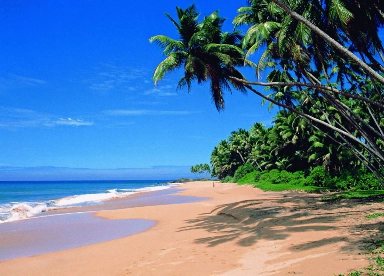
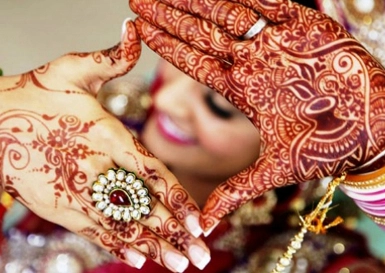
For those seeking fun and relaxation on wide, sandy beaches, the state of Goa is a perfect destination. Travelers interested in yoga, Ayurveda, and holistic wellness will find their haven in Kerala. History enthusiasts will be enchanted by the famous "Golden Triangle" route and other cultural excursions. And for a truly unforgettable experience, Indian wedding ceremonies — vibrant, grand, and full of life — are a dazzling reflection of the country’s unique spirit.
Main Cities and Resorts
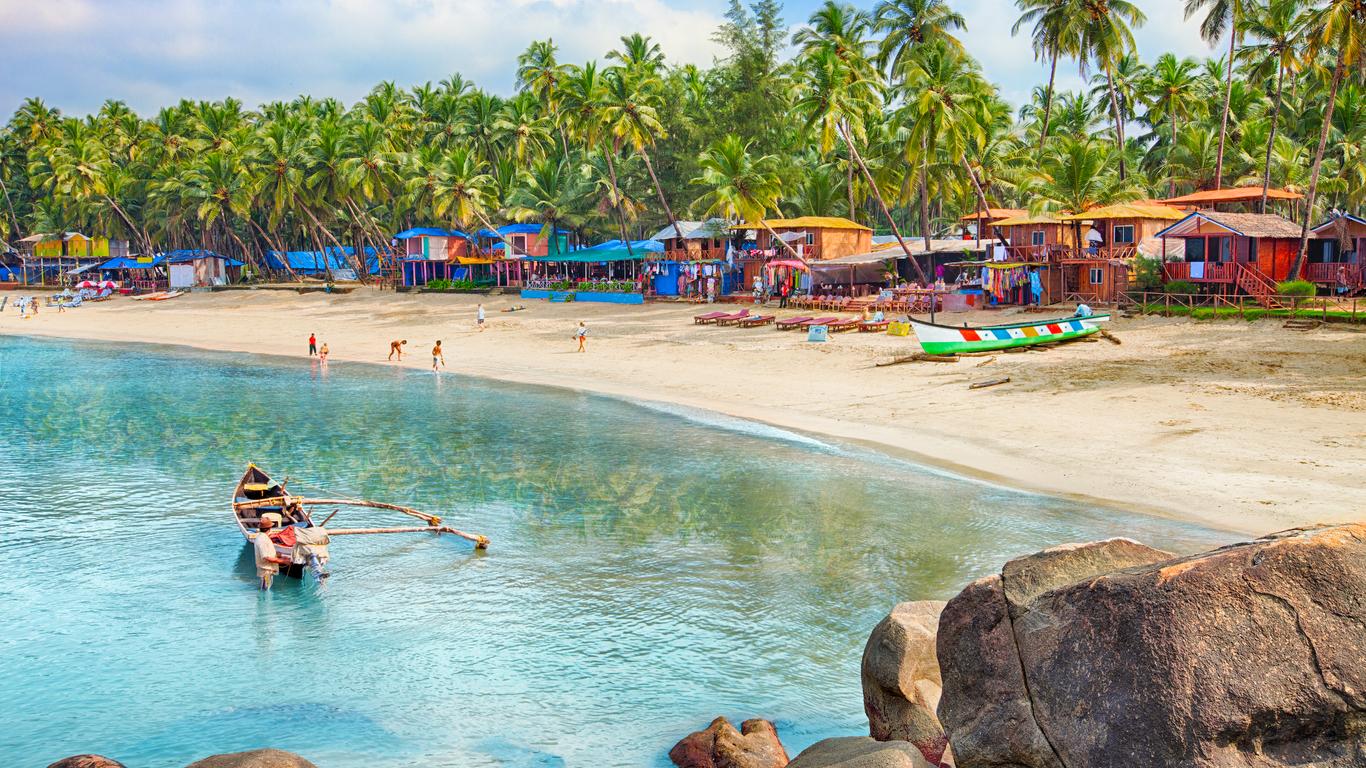
Goa
Once a Portuguese colony, Goa is now India’s most popular resort destination. It is often divided into two distinct regions — North and South — each offering a unique experience. In North Goa, the atmosphere is light and carefree. It draws a youthful, adventurous crowd who come for the vibrant nightlife, beach parties, and sense of freedom. Luxury takes a backseat here to spontaneity and self-expression. In contrast, South Goa has a more refined and tranquil vibe. It is home to upscale five-star resorts, fine dining restaurants, serene spa retreats, and renowned Ayurvedic centers — perfect for travelers seeking relaxation in an elegant setting.

Kerala
Known as the most peaceful and pristine state in India, Kerala is the heart of yoga and Ayurveda. Surrounded by lush greenery, tranquil backwaters, and a calm pace of life, it is the ideal destination for those seeking harmony, holistic wellness, and inner peace. Visitors come here to rejuvenate — both physically and mentally — and to immerse themselves in ancient healing traditions.
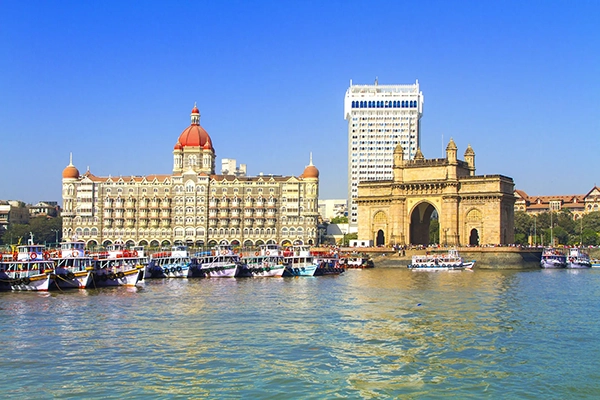
Mumbai
India’s vibrant financial capital, Mumbai is often called the "Indian Manhattan". It's a bustling metropolis where colonial architecture meets modern skyscrapers, and where Bollywood, the heart of India’s film industry, dazzles with glamour and energy. A city of contrasts, Mumbai is fast-paced, cosmopolitan, and endlessly fascinating.
Climate and Seasonality
India’s climate is influenced by two major natural factors.
First, the Himalayas act as a natural barrier, blocking cold Arctic winds and preventing frigid air masses from Central Asia from reaching the country. As a result, India enjoys a significantly warmer climate than other regions at similar latitudes.
Second, the Thar Desert plays a key role in attracting monsoon winds, which bring heavy seasonal rains — accounting for around 80% of the country’s annual precipitation. These monsoons shape India’s distinct wet and dry seasons.
In popular tourist states like Goa and Kerala, the climate is subtropical and mild. Average temperatures range from +27°C to +35°C year-round, making them ideal destinations for beach holidays. The monsoon season in these regions lasts from June to August, and even then, showers are typically brief, allowing for a pleasant vacation almost throughout the entire year.
Time Zone
India operates on Indian Standard Time (IST), which is 2 hours and 30 minutes ahead of Tbilisi.
Currency
The official currency of India is the Indian Rupee (INR). Payments are typically made in local currency only.
- Currency exchange is best done at official exchange offices, which offer the most favorable rates.
- US dollars, euros, and British pounds are the easiest to exchange.
- In tourist areas like Goa, it is possible to exchange rubles, but usually at unfavorable rates.
Credit cards are accepted in major hotels, restaurants, and shops in large cities and tourist zones, but cash is still the most widely used method of payment, especially in smaller towns.
Indian e Visa for Georgian Citizens
Georgian passport holders are eligible to apply online for various types of Indian e Visas, without needing to visit an embassy. These include:
Note: The Tourist e Visa (30 days) costs $99 USD. Fees for other visa types may vary depending on duration and urgency.
Processing Time
- Standard processing: 1–3 business days.
- Urgent cases: Expedited processing may be available.
- Apply at least 4 days before your trip to avoid delays.
Important Notes
- Passport validity: Minimum 6 months from date of arrival.
- Entry points: Must enter through designated 31 airports or 5 seaports.
- Payment: Done online at the time of application.
- Visa delivery: Sent via email (PDF) — print or keep a digital copy to show at immigration.
Geographical Information
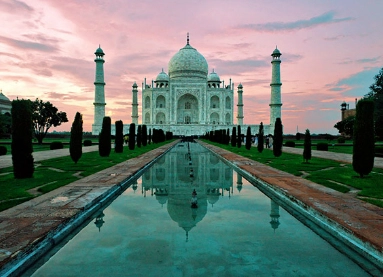
India is located in South Asia and occupies the majority of the Indian (Hindustan) Peninsula. Its shape resembles an isosceles triangle, with the towering Himalayas forming the broad northern base and the southern tip extending into the Indian Ocean.
To the west, the coastline of Goa, and to the south, Kerala, are washed by the warm waters of the Arabian Sea.
India shares land borders with Pakistan, China, Nepal, Bhutan, Bangladesh, and Myanmar, making it a central hub in the region.
The country's geography is incredibly diverse, with picturesque landscapes, dramatic mountain ranges, lush forests, and arid plains. Thanks to its unique location, India spans several climatic zones, allowing for a wide variety of flora — from hardy, drought-resistant shrubs to dense, tropical evergreen forests.
One of the most scenic nature reserves, Cotigao Wildlife Sanctuary, is located near South Goa, offering a glimpse into India's rich and vibrant biodiversity.
Historical Background
India's history is deeply intertwined with the origins of human civilization, making it one of the world’s oldest cultural centers. Around the 15th century BC, the Aryan tribes merged with the indigenous Dravidian peoples, giving rise to the Vedic culture, which laid the foundation for Indian philosophy, society, and religion.
Over time, India became the birthplace of four major religions: Hinduism, Buddhism, Jainism, and Sikhism. Yet, its history is also marked by a series of foreign invasions and empires — from Alexander the Great to Muslim rulers, and later the Great Mughals, who left a lasting legacy in architecture, art, and governance.
In the 18th century, India gradually came under British colonial rule, which lasted until 1947. The struggle for independence was led by many figures, but none more influential than Mahatma Gandhi, whose philosophy of non-violence inspired a global movement.
Today, India is a vibrant democracy and one of the fastest-growing economies in the world. However, despite technological progress and economic growth, social inequality and poverty remain pressing challenges.
Language and Religion
India has two official languages: Hindi and English. While Hindi is widely spoken across the country, English is primarily spoken fluently in major cities and popular resort areas.
Religiously, India is incredibly diverse. The majority of the population follows Hinduism, but there are also significant communities of Muslims, Christians, Buddhists, Jains, Sikhs, and others.
India is known for its religious tolerance and respect for different beliefs. Interreligious conflicts, when they occur, are usually the result of political manipulation rather than deep-rooted social divisions. The Indian people themselves are generally very tolerant and respectful of different faiths.
Cuisine
Indian cuisine is known for being hot and spicy. Vegetarians will especially enjoy the variety, as many dishes are based on beans, lentils, and vegetables richly seasoned with aromatic spices. Among these, curry is the most prominent spice blend.
Beef and pork are rarely eaten in daily meals due to cultural and religious reasons. When Indians consume meat, it is usually chicken or lamb.
Transport
Many major Indian cities have their own airports. The most popular air hubs include Delhi, Mumbai (formerly Bombay), Dabolim Airport in Goa, and Cochin and Trivandrum Airports in Kerala.
Traffic in India can be quite chaotic, so renting a car is generally not recommended for visitors. To reach your hotel, it’s best to arrange a transfer through your tour operator or use a reliable taxi service.
Holidays
- August 17 – Krishna’s Appearance Day
Widely celebrated across India with lively songs, dances, and joyful public festivities honoring the birth of Lord Krishna. - Late September – Ganesha Chaturthi
A grand festival featuring vibrant processions where thousands gather, especially on the beaches of Mumbai, to honor Lord Ganesha. - Late October – Diwali (Festival of Lights)
One of India’s most important festivals, lasting five days, celebrated with dazzling lights, fireworks, and the release of paper lanterns symbolizing the victory of light over darkness. - Mid-February – Annual Carnival in Goa
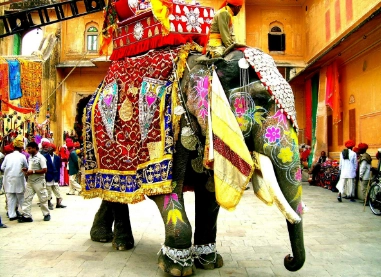
A colorful and energetic carnival showcasing music, dance, and parades, reflecting Goa’s unique cultural heritage. - Late February – Early March – Holi
The vibrant festival of spring and fertility, famous for people playfully throwing colored powder and splashing water on each other in joyous celebration.
Medicine
India offers a high level of medical care and is recognized as one of the world leaders in medicine and pharmaceutical production. Many hospitals and clinics provide excellent treatment, especially in major cities.
However, to avoid unexpected medical expenses during your trip, it is strongly recommended to arrange medical insurance before traveling.
Emergency numbers
Honorary Consul of Georgia in Mumbai
Address:
F-8, Khira Industrial State, B.M. Bhargav Road, Santacruz (W), Mumbai - 400054
Phone: +91 22 2661 5264
Fax: +91 22 2661 4999
E-mail: ssahuja1910@gmail.com / ssahuja@mfa.gov.ge
Secretary
Phone: +91 22 2661 6336 / +91 97692 24574
E-mail: celine.consulategeorgia@gmail.com
Embassy of Georgia in the Republic of India (New Delhi)
Address:
169 Jor Bagh, New Delhi - 110003
Phone: (+91) 11 4949 6000 / (+91) 11 4050 1424
E-mail: delhi.emb@mfa.gov.ge
Hotline: (+91) 92054 88477
Useful Tips
- Water and Hygiene: Do not drink tap water. Always wash your hands with soap before eating and drink only bottled water in sealed packaging. Avoid buying water from street vendors. Do not drink beverages with ice from street cafes or small-town hotels.
- Personal Space and Behavior: Public displays of affection like hugging and kissing are uncommon. Avoid approaching or touching young Indian women without a clear reason.
- Communication: It is considered rude to shout or raise your voice or hands in public. Stay calm to avoid misunderstandings or conflicts.
- Safety and Security: Be cautious of pickpockets. Keep valuables in hotel safes and watch your belongings closely. Never leave your items unattended on the beach.
- For Solo Women Travelers: Dress modestly—cover shoulders, arms up to the elbows, and knees.
- Religious Etiquette: When entering temples, always remove your shoes and preferably cover your head.
- Sun Protection: Protect yourself from the tropical sun by wearing a hat and using sunscreen.
- Respectful Gestures: Avoid pointing your finger at people or religious shrines.
Useful information