
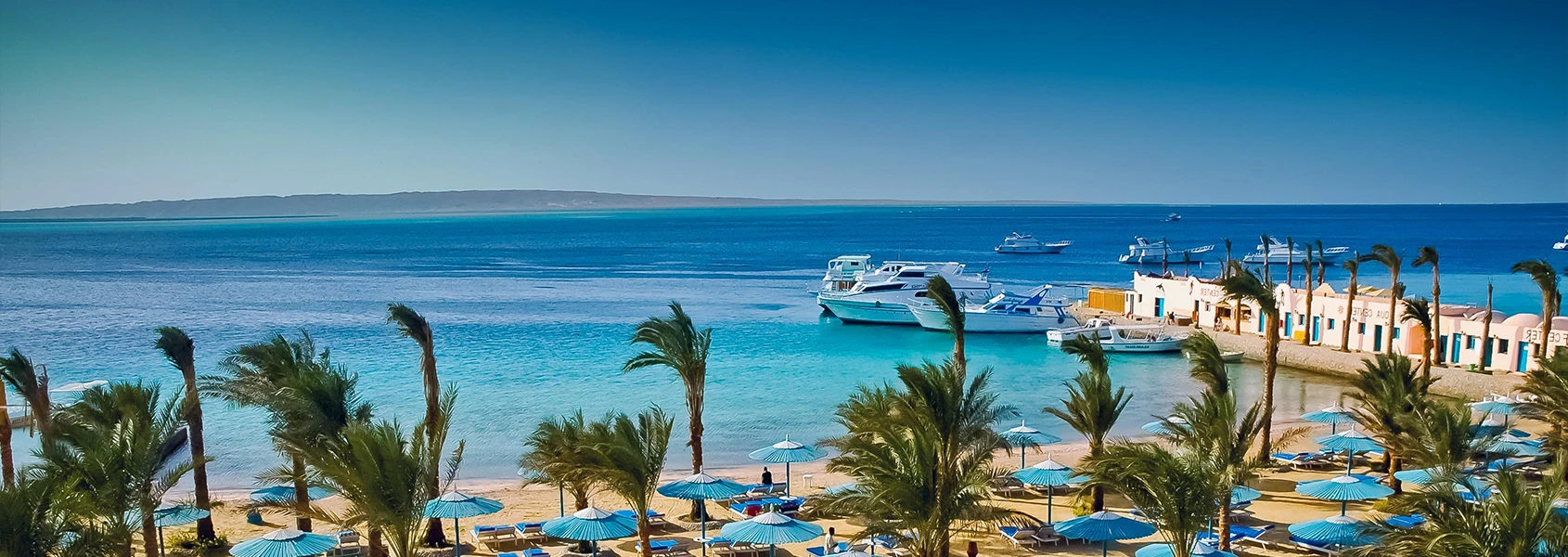
Holidays in Hurghada - how to choose the right resort, beach and hotel
Hurghada is a resort city on Egypt’s Red Sea coast, stretching along a long coastline. Here, the old part of the city, tourist streets, the marina, large hotels and independent resort areas such as Makadi Bay, Sahl Hasheesh, Soma Bay and El Gouna follow one another along the coast.
Recommended hotels
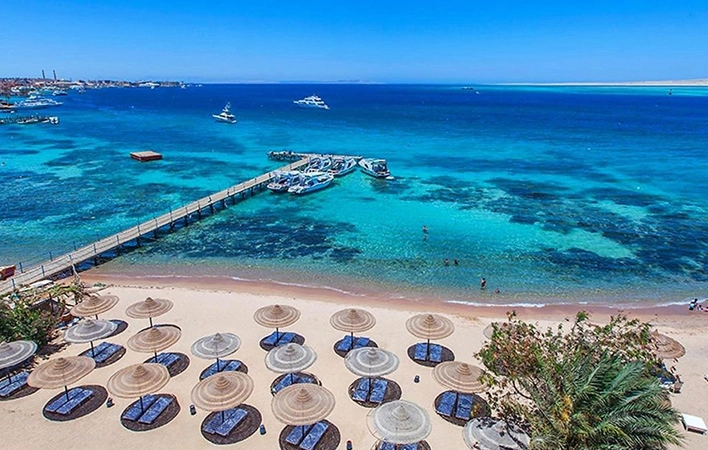
Holidays in Hurghada are often particularly convenient for families. However, this does not apply to every hotel. At some beaches, the water is so shallow that you need to walk quite a long way before reaching swimming depth; elsewhere, there may be sand along the shore, but you need to take a boat to reach the coral reef.
When choosing a hotel, it is important to know which part of Hurghada it is located in, what type of beach it has, how far it is from the city and how you plan to spend your time. Staying at a completely secluded hotel and staying in the city centre are two very different types of holidays.
Why Choose Hurghada?
Hurghada was one of the first cities in Egypt to develop modern seaside resort infrastructure. Today, its coastline offers everything from small and relatively affordable hotels to large All Inclusive resorts with private beaches, water parks and multiple swimming pools.
One of Hurghada’s main advantages is the variety of beaches. Compared with Sharm El Sheikh, sandy beaches are more common here. This is convenient for children, less experienced swimmers and anyone who does not want to enter deep water directly from a jetty.
Another important advantage is its overland access to other destinations. From Hurghada, it is possible to take a day trip to see the Karnak Temple, the Valley of the Kings and the Nile. The journey is not short, but compared with travelling from Sharm El Sheikh to Luxor, this route is considerably more practical.
Holidays in Hurghada are a good choice if you want:
- a seaside All Inclusive hotel;
- a sandy beach;
- a family holiday;
- boat trips and snorkelling;
- a desert excursion;
- to combine the sea and ancient Egypt in one trip.
Which Part of Hurghada Should You Choose?
Hurghada is not one compact resort area. The city itself consists of several distinct areas, while independent resorts have also developed outside the city. The location of your hotel affects the beach, transfer time, access to evening entertainment and travel time for excursions.
El Dahar — The Old Part of Hurghada
El Dahar is one of the older and more local areas of Hurghada. It has many residential neighbourhoods, markets, small shops, local cafés and a noticeable sense of everyday city life and activity. If you want to leave the hotel and experience the less tourist-oriented side of Hurghada, El Dahar is one of the best choices.
The atmosphere here is less like an isolated tourist resort. The streets can be busy, pavements are not equally well maintained everywhere, and traffic may seem chaotic. On the other hand, it is easier to find local shops and experience everyday life here.
When choosing a hotel in El Dahar, check the exact beach location. Not every hotel is directly on the sea, and large, landscaped hotel grounds are relatively uncommon because of the urban environment.
Sekalla and Sheraton Road — The Lively Tourist Centre
Sekalla and Sheraton Road are ideal for travellers who want to visit restaurants, shops and evening entertainment outside their hotel. This is one of the liveliest tourist areas of Hurghada.
From here, it is easy to reach Hurghada Marina. Along Marina Boulevard, you will find yachts, cafés and restaurants. In the evening, the area is much more organised and pleasant for walking than many other streets in the city.
Hotels in the central area often have smaller grounds than the large resort complexes located south of Hurghada.
Village Road and Southern Hurghada
The southern part of Hurghada is home to many large hotels, shopping areas and spacious streets designed for tourists. This area is particularly suitable for family holidays, as hotels here generally offer large grounds, swimming pools, children's facilities and private beaches.
Some resorts are so large that walking from your room to the beach or a restaurant can take some time. Check the hotel map and room category carefully — the term "sea view" does not necessarily mean that the room is close to the beach.
Makadi Bay — A Peaceful Setting and Large Resorts
Makadi Bay is an independent resort area located south of Hurghada. Hotels here generally operate on large grounds with private beaches and All Inclusive services. The area is suitable for travellers who plan to spend most of their holiday within the resort itself.
The beaches in Makadi Bay vary from one hotel to another. At some resorts, you can enter the water directly from a sandy beach, with small coral sections nearby; elsewhere, the sea may be shallow or a jetty may be required to reach the swimming area.
Because of the distance from the city centre, spontaneous evening trips to Hurghada are less convenient. If you plan to go out frequently, check taxi prices and transfer options in advance.
Sahl Hasheesh — A Planned Resort Area
Sahl Hasheesh is a well-organised resort area south of Hurghada, featuring upscale hotels, residential complexes and walking areas along the coast.
The environment here is quieter and more systematically planned than in Hurghada itself. You will not experience the atmosphere of a local Egyptian city outside the hotels, but well-maintained areas for evening walks are more accessible.
Sahl Hasheesh is suitable for couples, travellers seeking a peaceful holiday and those who prioritise hotel quality and a well-maintained environment. When travelling with children, check the specific hotel's water park, water depth at the beach and children's facilities separately.
Soma Bay — Secluded Holidays and Water Sports
Soma Bay is located even further south of Hurghada and is known for its relatively secluded, upscale resorts. The area is popular among diving, kitesurfing and other water sports enthusiasts.
When choosing Soma Bay, keep in mind that frequent trips into the city are impractical. Holidays here are mainly organised around the hotel, beach and pre-planned activities.
It is a good choice if you want a peaceful environment and do not plan to leave the resort very often.
El Gouna — Lagoons, Marinas and Life Beyond the Hotel
El Gouna is a resort town north of Hurghada, divided by lagoons, canals and small islands. Alongside hotels, it has residential properties, marinas, restaurants, cafés and internal transport services.
El Gouna feels more like an independent resort town than an area organised around a single hotel. It is a good choice if you want to visit different restaurants in the evening and do not want to depend entirely on your hotel's entertainment programme.
A lagoon beach and an open-sea beach are not the same thing. Some hotels have direct access to a lagoon, while transport is provided to open-sea beaches. Before booking, check where the specific beach is located and whether it can be reached on foot.
What Are the Beaches Like in Hurghada?
Hurghada is often associated with sandy beaches, but the beach at each individual hotel should still be checked separately.
In Hurghada, you may find:
- sandy beaches with a gradual entry into the water;
- artificially created lagoons;
- very shallow water requiring a long walk from the shore;
- small sandy areas with a jetty leading to the reef;
- beaches opening directly onto the open sea, which may be relatively windy.
When travelling with a small child, a sandy beach with a gradual entry into the water and some protection from waves is generally the best option. The word "sandy" alone is not enough — there may be sand on the beach, while stones or pieces of coral can still be present when entering the water.
At some parts of Hurghada's coastline, coral reefs are close to the shore, but the best snorkelling spots are often reached by boat. If you want to snorkel every day near your hotel, specifically ask whether it has a live reef that is easily accessible.
When Is the Best Time to Visit Hurghada?
Holidays in Hurghada are possible year-round, but temperatures, wind, sea temperature and the comfort of taking excursions vary depending on the season.
From March to May, the weather is warm, while the intense summer heat has not yet arrived. This is a good period for combining beach time, boat trips and a Luxor excursion.
From June to August, air temperatures are high. The heat is somewhat easier to tolerate on the coast, but spending time in the desert or at Luxor's open-air archaeological sites during the middle of the day can be challenging.
From September to November, the sea remains warm, while temperatures become more comfortable from the second half of autumn. This period allows for a better balance between beach time and active excursions.
From December to February, days can be sunny and pleasant, although Hurghada is a windy resort. Once you leave the beach, the cooler air can be felt quickly, and you may need a light jacket in the evening.
When choosing a hotel in winter, check:
- whether the beach is protected from the wind;
- which specific swimming pools are heated;
- whether the water park has a heating system;
- how often boat trips operate in windy weather;
- whether there is an indoor or wind-protected children's area.
What to See and Do in Hurghada
Boat Trips to the Giftun Islands
One of the most common activities from Hurghada is taking a boat trip towards the Giftun Islands. Tours often include a beach stop, snorkelling and lunch.
Orange Bay and Mahmya are popular names associated with this area, but they are not the names of the entire island — they are different organised beach destinations. When choosing a tour, check how much time you will spend on the beach, how many swimming stops are included and whether masks, fins, drinks and entrance fees are included.
The white sand and bright-coloured water seen in promotional photos often represent a specific section of the beach. The rest of the day may include time on the boat, waiting at the port and picking up tourists from other hotels. Knowing the full schedule is more useful than relying only on promotional photos.
Snorkelling and Diving
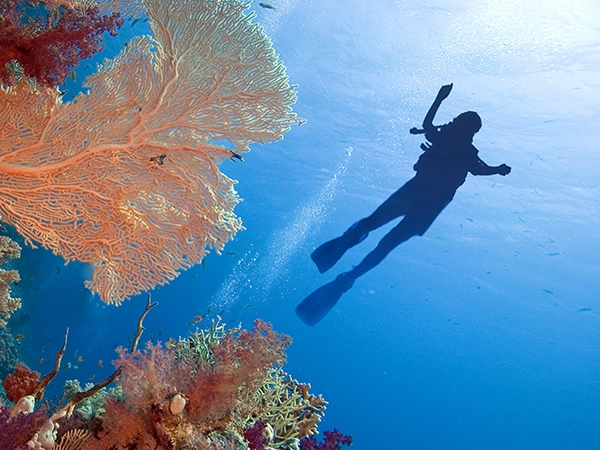
There are many diving and snorkelling sites along Hurghada's coastline and around nearby islands. Snorkelling means swimming on the surface of the water while using a mask and snorkel to observe the underwater world. Beginners can try introductory dives with an instructor, while experienced divers can choose routes with different depths and conditions.
When choosing an operator, do not compare prices alone. Check:
- the instructor's qualifications;
- the group size;
- the condition of the equipment;
- whether insurance is included;
- the language in which the briefing is provided;
- how many actual dives or swimming stops are included in the programme.
If you have ear or breathing problems, consulting a doctor before diving is advisable.
Desert Excursion
The Eastern Desert begins west of Hurghada. Popular excursions include quad-bike or buggy rides, stops at Bedouin settlements and evening programmes.
A scarf to cover your face and protective glasses are genuinely useful in the desert. Dust can easily get into your clothes, hair and exposed parts of your phone while riding. Keep your camera or phone in a closed bag when you are not using it.
Hurghada Marina and City Centre
Hurghada Marina is one of the most organised places for an evening walk. It has yachts, cafés and restaurants. The El Mina Mosque is also located nearby.
If you are staying in Makadi Bay, Soma Bay or Sahl Hasheesh, you will need to arrange transport in advance to reach the city. Agree on the taxi fare before getting in and clarify whether the price is per person or for the entire vehicle.
Hurghada Museum
The Hurghada Museum is a useful option for travellers who want to see historical Egyptian artefacts without leaving the resort area. It cannot replace the museums of Cairo or Luxor, but it can be particularly convenient on a windy day or when you do not plan to take a long excursion.
A Day Trip to Luxor from Hurghada
A day trip from Hurghada to Luxor is realistic, but it should not be considered a light or relaxing excursion. According to Egypt's official tourism platform, the journey takes approximately four hours each way. Depending on the exact location of your hotel, stops and group pick-up arrangements, the journey may take longer.
Tours usually start very early and may include Karnak Temple, crossing the Nile, the Valley of the Kings, the Temple of Hatshepsut and the Colossi of Memnon. Not all programmes are the same, so check the exact list of attractions and entrance tickets before booking.
Experience Egypt's official guide describes a day trip from Hurghada to Luxor as involving approximately four hours of travel.
A Luxor tour can be particularly tiring in summer. Much of the Valley of the Kings and the temple sites are located outdoors, shade is limited, and you may need to move frequently between an air-conditioned bus and the heat outside.
If seeing ancient Egypt is the main purpose of your trip, staying in Luxor for one or two nights may be a better option than taking a quick day trip from Hurghada. This allows you to explore the temples at a more relaxed pace and adjust your schedule during the hottest part of the day.
How to Choose a Hotel in Hurghada
When comparing tours and hotels, check the following features:
- Is the entry into the water sandy and gradual?
- Is the sea extremely shallow near the shore?
- Is the reef close to the beach, or will you need to take a boat for snorkelling?
- Is the hotel located in the city or in an independent resort area?
- How long does the transfer from the airport take?
- Which pools are heated in winter?
- Is the water park located within the hotel or at a partner resort?
- What exactly is included in the All Inclusive package?
- Is it possible to walk outside the hotel?
- When were the rooms and common areas last renovated?
Large hotels may have several buildings, and their locations can vary significantly. The cheapest room category is sometimes the furthest from the restaurant and beach. If you are travelling with a small child, an older person or someone with limited mobility, request the hotel map in advance.
Practical Tips
The sun in Hurghada is strong even in winter. Use high-SPF sunscreen, a hat and sunglasses. Sunburn can happen particularly easily during boat trips because reflected light from the water increases sun exposure.
Use bottled water instead of tap water. Take water, some cash, a charger and your hotel address with you on excursions.
English and Russian are commonly spoken in tourist areas. The local currency is the Egyptian pound. In markets, taxis and small shops, agree on the price in advance and check the denomination of the banknote when paying.
When going into the city or visiting religious sites outside the hotel, choose more modest clothing. Swimwear is normal within seaside resorts, but the everyday environment in the city is different from that of a hotel.
Before booking active excursions, check your travel insurance. Quad biking, diving and some water sports may not be covered by a standard policy.
Who Are Holidays in Hurghada Best For?
Holidays in Hurghada are particularly suitable for:
- families travelling with young children;
- travellers who prefer sandy beaches;
- travellers who want to combine a beach holiday with a trip to Luxor;
- snorkelling and diving enthusiasts;
- travellers looking for a large All Inclusive resort;
- couples, if they choose a peaceful hotel in Makadi Bay, Sahl Hasheesh or Soma Bay;
- travellers who also want the option of exploring outside the hotel.
Hurghada is not simply one city or one type of resort. The busy streets of El Dahar, the tourist centre around Sheraton Road, the large hotels of Makadi Bay, the well-organised surroundings of Sahl Hasheesh and the lagoons of El Gouna all offer very different experiences.
A good holiday in Hurghada starts not with finding the cheapest tour, but with deciding where you want to spend your time: at the hotel, on the beach, in the city or on excursions. Once you know this, choosing the right area and hotel becomes much easier.
FAQ


